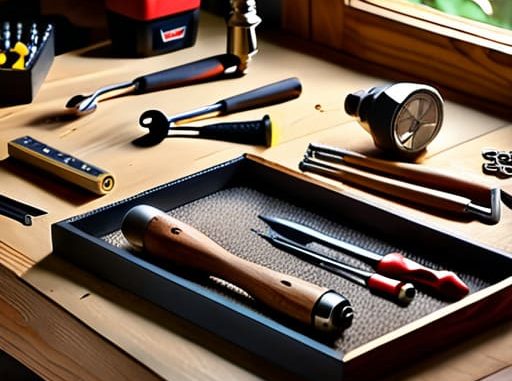
I still remember the exact moment I realized I was officially an adult: I was sitting on my kitchen floor at 11 PM, staring at a wobbly bookshelf and a pile of cheap, plastic tools that snapped the second I applied any actual pressure. It was frustrating, expensive, and honestly, kind of embarrassing. Most people think you need to drop a grand at a big-box hardware store to build a “real” toolkit, but that’s just a recipe for clutter and wasted money. You don’t need a garage full of heavy machinery; you just need the right essential tools for diy that actually work as hard as you do.
I’m not here to sell you on some professional-grade power drill you’ll use exactly once before it gathers dust in a corner. My goal is to give you a straight-up, no-nonsense list of the gear that actually matters for real-life repairs and small projects. We’re focusing on the stuff that saves you time, prevents those mid-project meltdowns, and helps you keep your space looking intentional rather than chaotic. Let’s get you equipped so you can stop Googling “how to fix this” and actually start getting it done.
Building Your Home Improvement Starter Kit Without the Stress
The biggest mistake I see people make is heading to the hardware store with a “more is better” mindset. You’ll walk in for a screwdriver and walk out with a $300 cordless drill set you’ll use exactly once. Trust me, building a home improvement starter kit isn’t about owning every gadget in the aisle; it’s about owning the right ones. Start with the basics that actually solve 90% of life’s little annoyances—think a reliable hammer, a set of screwdrivers, and a decent tape measure.
When you’re deciding between hand tools vs power tools, my rule of thumb is to master the manual stuff first. You can’t effectively use a power drill if you don’t understand how to steady a piece of wood or keep a line straight. Focus on getting a solid beginner handyman toolset that feels good in your hand and won’t snap the first time you try to tighten a loose cabinet knob. It’s much better to have three high-quality tools that actually work than a drawer full of cheap plastic junk that fails when you’re mid-project.
Hand Tools vs Power Tools Choosing Your Sanity Savers
Here’s the thing: when you first start looking into a beginner handyman toolset, it’s easy to get overwhelmed by the sheer amount of hardware available. You see these massive, professional-grade kits and think, “Do I really need a cordless drill with five different attachments just to hang a picture frame?” The answer is usually no. I used to think I needed every gadget under the sun, but I quickly learned that the debate of hand tools vs power tools isn’t about which is “better,” it’s about what kind of energy you have for the task at hand.
Hand tools are your reliable, low-stakes best friends. I’m talking about a solid screwdriver set, a hammer, and a good pair of pliers—things that don’t require a battery charge and won’t accidentally kick a hole through your drywall if you slip. They are the backbone of any maintenance tools for homeowners collection. However, power tools are the real game-changers when you move past basic repairs and into actual projects. A decent drill might feel like a luxury at first, but once you use it, you’ll realize it’s the ultimate sanity-saver for anything involving screws or mounting shelves.
Three Ways to Avoid the "Hardware Store Meltdown"
- Don’t buy everything at once. I used to think I needed a professional-grade drill kit just to hang a single picture frame, but that’s a fast track to wasting money. Start with the specific problem you’re trying to solve. If a shelf is wobbly, buy the screwdriver you need for that shelf. You can build your collection as your “to-do” list grows, rather than cluttering your tiny apartment with stuff you’ll never touch.
- Prioritize quality over quantity, every single time. Seriously, skip the $2 plastic hammer from the discount bin. It’ll probably shatter or just feel terrible in your hand, which makes the whole project feel ten times harder. I’ve learned the hard way that spending an extra ten bucks on a tool that actually fits your grip saves you a massive amount of frustration (and potential hand cramps) in the long run.
- Learn the “YouTube + One Tool” rule. Before you head to the store, watch a quick tutorial on the fix you’re attempting. Most DIY tasks only require one or two specific items. If you go into the hardware store without a clear plan or a video to guide you, you’ll end up wandering the aisles, buying random bits of metal you don’t need, and still coming home without the right stuff.
The TL;DR on Not Losing Your Mind
Don’t feel pressured to buy the whole aisle at Home Depot; start with a solid foundation of versatile hand tools and only invest in power tools when a specific project makes it obvious they’re worth the splurge.
Prioritize quality over quantity—one decent screwdriver that actually fits your screws is infinitely better for your sanity (and your hardware) than a cheap 50-piece set that breaks the first time you use it.
The Bottom Line on Your DIY Toolkit
At the end of the day, you don’t need to transform your living room into a professional workshop to be “handy.” Whether you’re investing in a solid set of manual hand tools for those quick fixes or finally biting the bullet on a cordless drill to tackle a bigger project, the goal is the same: reducing the friction between noticing a problem and actually solving it. Remember, it’s better to have a few reliable, high-quality basics that you actually know how to use than a drawer full of expensive gadgets that just collect dust and regret.
Don’t let the fear of breaking something or “doing it wrong” keep you stuck in that cycle of crisis management. We’ve all been there—staring at a loose cabinet hinge or a wobbly chair feeling completely out of our depth. But once you have the right gear in your hands, that feeling of overwhelm starts to turn into something much better: competence. You’ve got this, and honestly, nothing beats the dopamine hit of fixing something yourself and realizing you’re way more capable than you thought.
Frequently Asked Questions
I'm on a super tight budget—is there a specific order I should buy these in so I'm not wasting money on stuff I won't use?
I totally get it—buying tools feels like throwing money into a black hole if you aren’t careful. Don’t go out and buy a whole kit at once. Start with the “Big Three”: a reliable screwdriver set, a hammer, and a tape measure. Those will fix 80% of your immediate “oh no” moments. Once you’ve actually used those, then treat yourself to a drill. Buy as you go, not all at once.
How do I know if a tool is actually worth the price tag or if I'm just paying for a fancy brand name?
Honestly, I used to fall for the “pro-grade” marketing trap all the time, but here’s the truth: look at the build quality, not the logo. If it’s made of heavy-duty steel rather than hollow plastic, it’s probably worth it. I also check the warranty—a brand that stands behind their gear for life is usually a safer bet than a cheap one that breaks during your first IKEA assembly. If it feels flimsy in your hand, leave it.