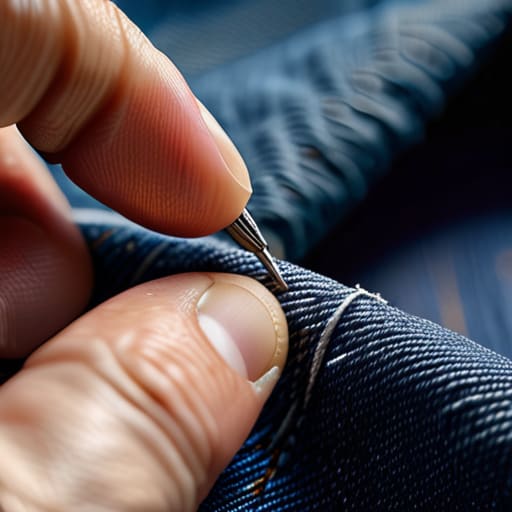
I was halfway through a grocery run when I felt that dreaded, unmistakable draft against my thigh, only to realize my favorite vintage Levi’s had finally given up the ghost right at the knee. It’s that specific moment of panic where you realize your go-to outfit is officially compromised, and your first instinct is probably to toss them in the “donate” pile because you think sewing is some mystical art form reserved for grandmas. But here’s the truth: learning how to patch jeans isn’t about becoming a master tailor; it’s just about a quick, tactical fix to stop a minor wardrobe malfunction from turning into a total meltdown.
I’m not going to give you a lecture on complex embroidery or suggest you buy a $200 sewing machine to fix a three-inch hole. Instead, I’m sharing the low-effort, high-reward methods I’ve used to keep my thrifted denim alive for years. We’re going to walk through a few different ways to handle a tear—from the “I have five minutes and a needle” approach to the more aesthetic, intentional repairs—so you can save your money and your sanity.
Guide Overview
Tools & Supplies
- Needle and thread or sewing machine for attachment
- Fabric scissors for trimming excess material
- Patch fabric (denim or cotton scrap) 1 piece
- Thread (matching or contrasting color) 1 spool
Step-by-Step Instructions
- 1. First, grab your jeans and find a scrap of fabric for the patch. If you’re feeling fancy, use a piece of patterned vintage fabric from one of my thrift finds, but honestly, a plain piece of denim or even a sturdy cotton works just fine. Make sure the patch is at least one inch larger than the hole on all sides so you have enough room to work with.
- 2. Clean the area around the tear. I know it sounds extra, but if there’s lint or loose threads hanging out, your patch isn’t going to sit flat. Use a pair of small scissors to snip away any frayed bits that are sticking out too far, but don’t go overboard—you want some texture, just not a mess.
- 3. Pin the patch in place. Lay your fabric scrap underneath the hole, aligning it so it covers the damage completely. Use sewing pins to secure it to the jeans; this prevents the fabric from shifting around while you’re trying to be precise. If you’re working on a tight deadline and don’t have pins, a little bit of double-sided fabric tape can be a total lifesaver.
- 4. Start your stitching. If you have a sewing machine, you can use a zigzag stitch to go around the edges of the patch, which helps lock the fabric in place. If you’re doing this by hand (which is actually kind of therapeutic), use a needle and some heavy-duty thread to do a running stitch or a whip stitch around the perimeter. Just keep your tension even so the denim doesn’t bunch up.
- 5. Secure the center. Once the edges are locked down, go back over the actual hole with more stitches. You want to bridge the gap between the original denim and your patch so the hole is completely filled. I like to use a tight zigzag pattern here to make sure the repair is sturdy enough to survive a real day of wear and tear.
- 6. Trim and test. Once you’re confident the hole is covered, snip any long, dangling threads. Give the patch a little tug to make sure everything feels secure and isn’t pulling awkwardly against your skin. If it feels solid, you’re officially done and ready to get back to your life without worrying about a wardrobe malfunction.
Darning vs Patching Choosing Your Fast Fix
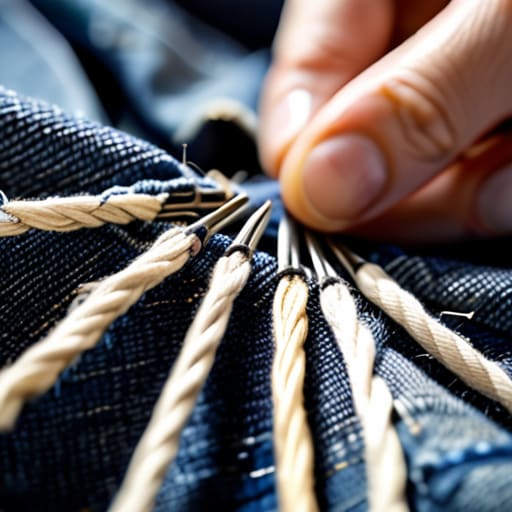
So, you’re staring at the hole and wondering if you should go full DIY or just keep it simple. Here’s the deal with darning vs patching: it really comes down to the vibe of the jeans and how much effort you actually have in the tank. If you’re looking for that intentional, slightly artsy look, darning is your best friend. It’s one of those visible mending techniques where you basically weave thread back and forth across the gap to rebuild the fabric. It takes a bit more patience and a sturdy sewing needle for jeans, but it looks incredibly cool and custom.
On the other hand, if you just want the hole gone so you can get out the door, go with a patch. You can use iron-on denim patches for a zero-effort fix, or if you want something more durable, grab some denim fabric scraps and stitch them on from the inside. I usually opt for the patch method when I’m in a rush, but darning is my go-to when I want to turn a “ruined” pair of vintage Levi’s into a statement piece.
Mastering Visible Mending Techniques With Denim Fabric Scraps
If you’re like me and actually enjoy the hunt of a thrift store, you probably have a graveyard of leftover denim fabric scraps tucked away in a drawer. Instead of trying to hide a repair, lean into it. Visible mending is basically turning a mistake into a design choice. I love using contrasting colors or textures to make the patch look intentional—think a piece of patterned cotton or a darker indigo scrap layered under the hole. It takes the pressure off making a “perfect” repair and turns your jeans into something completely one-of-a-kind.
To pull this off without the thread snapping halfway through, you really need to invest in a decent heavy duty thread for denim. Standard all-purpose thread is fine for a button, but for structural repairs, it just won’t cut it. I usually go for a thicker, slightly textured thread to give the patch some character. If you’re feeling extra crafty, try some Sashiko-style stitching over your scrap; it’s a super satisfying way to reinforce the area while adding a handmade aesthetic that looks way more expensive than it actually is.
Pro-Tips to Keep Your Patches from Looking Like a Middle School Art Project
- Don’t skimp on the stabilizer. If you’re working with thinner denim or a particularly large hole, pin a piece of lightweight fusible interfacing to the inside of the jeans before you start sewing. It keeps the fabric from bunching up into a messy, wrinkled crater while you work.
- Match your thread weight to the vibe. If you want a seamless, “is that even a patch?” look, grab some heavy-duty denim thread that matches your jeans exactly. But if you’re leaning into the visible mending aesthetic, go for a contrasting color—it makes the repair look intentional and cool rather than just a desperate fix.
- Always back your stitches. When you’re patching, the tension on the thread is way higher than it would be during regular sewing. Make sure you’re securing your knots well and doing a few extra passes around the edges of the patch to ensure it doesn’t start fraying and pulling away the second you sit down.
The TL;DR on Saving Your Denim
Don’t let a small hole turn into a reason to shop; whether you go for a seamless darn or a bold visible patch, fixing it now prevents a total wardrobe meltdown later.
Match your method to the vibe—use darning for a low-key, “invisible” fix on subtle wear, and lean into scrap fabric patches when you want to turn a mistake into a custom design feature.
The New Life of Your Denim
At the end of the day, whether you opted for a subtle darning job to hide the damage or went full creative mode with some visible mending using colorful scraps, you’ve officially stopped the cycle of mindless consumption. You’ve learned that a hole in your favorite denim doesn’t have to be a death sentence for your wardrobe; it’s just a tiny project waiting to happen. By choosing to patch instead of replace, you’re mastering a skill that is as much about saving money as it is about preserving the clothes you actually love wearing.
Honestly, I used to think that “fixing things” was a chore reserved for people with way more patience than me, but it’s actually kind of empowering. There is something so satisfying about looking at a pair of jeans and knowing you saved them from the landfill with nothing more than a needle and a bit of grit. Don’t let a little fraying make you feel like you’re failing at adulting. Grab your multi-tool, find your thread, and just start—you’ve totally got this.
Frequently Asked Questions
Can I still wash my jeans in a machine after I've patched them, or will the repair fall apart?
Short answer: Yes, but don’t just toss them in on a heavy-duty cycle and hope for the best. Think of your repair like a delicate new piece of clothing. I always recommend washing my patched denim on a cold, gentle cycle and turning them inside out to protect the stitching. Most importantly, skip the dryer. High heat is the enemy of thread integrity. Hang them to dry, and your fix will actually last.
What should I do if the hole is in a high-stress spot, like the inner thigh or the pocket?
If the hole is in a high-stress spot like the inner thigh, a simple patch won’t cut it—it’ll just pop right off. You need to reinforce the area with a heavy-duty denim patch on the inside and use a zigzag stitch to anchor it. For pockets, I usually go with a small piece of scrap fabric and sew it directly over the hole to add structural integrity. It’s less about aesthetics and more about making sure they actually stay fixed.