I’m going to say it: you do not need a $50 custom-built acrylic drawer system or a Pinterest-perfect aesthetic to master how to organize under the sink. Honestly, watching those “organization porn” videos where everything is color-coded and perfectly labeled feels less like helpful advice and more like a personal attack on anyone living in a real, messy apartment. I spent my childhood in a tiny space where if you didn’t make things work, they just didn’t, and I learned pretty quickly that most of those expensive organizers are just expensive clutter waiting to happen.
Look, I’m not here to sell you a lifestyle overhaul or a trip to a high-end boutique. I’m here to give you the actual, low-stakes blueprint for reclaiming that dark, damp corner of your kitchen using stuff you probably already own or can grab for five bucks at a thrift store. We’re going to focus on functional systems that actually survive the chaos of daily life, so you can stop playing Tetris with your dish soap and finally get back to your actual day.
Maximizing Small Cabinet Space Without the Mental Load
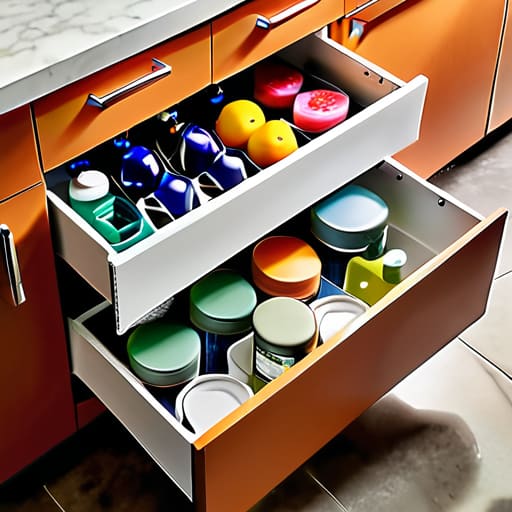
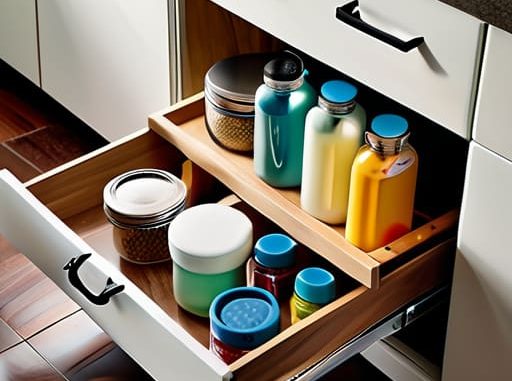
The biggest mistake I see people make is trying to force everything into the cabinet in one giant, messy heap. That’s not organization; that’s just hiding the chaos. To actually make this work, you need to stop thinking about floor space and start thinking about verticality. I’m a huge fan of using under sink pull out organizers—the kind with drawers that slide out toward you. It saves you from that soul-crushing moment where you’re on your hands and knees, digging through the dark abyss for a stray bottle of Windex.
If you’re working with a tiny footprint, you have to get creative with how you stack things. I always recommend grabbing some tiered shelving or even small stackable bins to keep your most-used items at eye level. Also, do yourself a massive favor and invest in some waterproof cabinet liners. Let’s be real: things leak. Spilled dish soap or half-empty bleach bottles happen, and having a barrier means you’re cleaning a liner instead of scrubbing the actual wood of your cabinet. It’s a tiny step that drastically reduces the mental load of maintenance.
Smart Cleaning Supply Storage Solutions That Actually Work
Look, we’ve all been there: you reach for the glass cleaner, only to have a bottle of dish soap tip over and create a literal lake of goo. To stop the madness, you need to stop treating your cabinet like a junk drawer. I’m a huge advocate for under sink pull out organizers—specifically the tiered ones. They basically turn a dark, deep abyss into a functional mini-pantry for your sprays. If you can’t see it, you won’t use it, and you’ll definitely end up buying a third bottle of Windex because you couldn’t find the first two.
Since moisture is the natural enemy of a tidy home, don’t skip the prep work. I always swear by installing waterproof cabinet liners before I even start sorting my bottles. It’s a tiny investment that saves you from a massive headache when a leak inevitably happens. Once you’ve got your liners down, group your items by “task”—all the bathroom stuff in one bin, all the kitchen degreasers in another. It turns a chaotic mess into a system that actually makes sense when you’re in a rush.
The "Low-Effort, High-Reward" Strategy for Keeping It Together
- Stop the “dump and pray” method by using clear, stackable bins. If you can’t see the half-empty bottle of Windex hiding in the back, you’re just going to buy another one, and that’s literally throwing money down the drain.
- Utilize your vertical space—the “dead zone” behind the pipes. Grab some adhesive command hooks or a small tension rod to hang your spray bottles or scrub brushes. It gets them off the floor of the cabinet and makes them way easier to grab when you’re mid-scrub.
- Group your stuff by “mission” so you aren’t hunting for tools. Keep all your heavy-duty cleaners in one bin and your daily essentials—like the sponge and dish soap—in a smaller, more accessible one. It turns a frantic search into a two-second grab.
The TL;DR on a Functional Sink
Stop trying to shove everything in at once; use clear bins and tiered organizers so you can actually see your supplies instead of playing a guessing game every time you need a sponge.
Focus on high-frequency items first—keep the stuff you use daily at eye level and tuck the seasonal or “once a month” cleaners in the back to save your sanity.
Stop Fighting the Cabinet and Start Living
At the end of the day, organizing your under-sink chaos isn’t about achieving some Pinterest-perfect aesthetic that you’ll have to reset in a week. It’s about the small wins: having a designated spot for the dish soap so you aren’t hunting for it at 7:00 AM, and using those bins to stop the constant avalanche of cleaning bottles every time you open the door. By prioritizing accessibility and using simple tools like tiered organizers or pull-out drawers, you’ve effectively lowered your daily mental load and turned a tiny source of frustration into a functional zone.
I know that sometimes these little home projects feel insignificant when life is throwing everything else at you, but I promise they matter. Adulting is essentially just a series of small, manageable systems that keep us from spiraling. When you tame the chaos under your sink, you’re reclaiming a tiny bit of control over your environment. So, grab those bins, tackle the mess, and give yourself some credit—you’re doing a much better job at this than you think you are.
Frequently Asked Questions
How do I keep everything from getting damp or moldy in such a tight, enclosed space?
Look, nobody wants to open their cabinet and be greeted by that weird, musty “old basement” smell. Since under-sink areas are basically dark, damp caves, you have to fight back. I swear by those little silica gel packets you find in shoe boxes—toss a few in there. Also, grab a moisture absorber like DampRid; they’re cheap and life-changing. Just make sure you aren’t storing leaky cleaning bottles right next to your sponges.
What should I do if my under-sink area is too small for even basic bins or organizers?
If you’re dealing with a cabinet so tiny it feels like a claustrophobic nightmare, stop trying to force bulky bins in there. They’ll just become expensive clutter. Instead, go vertical. Use adhesive command hooks on the inside of the doors for sponges or scrubbers, or grab some tension rods to create “shelves” for spray bottles. When floor space is zero, the walls and doors are your best friends. Work with the shape, not against it.