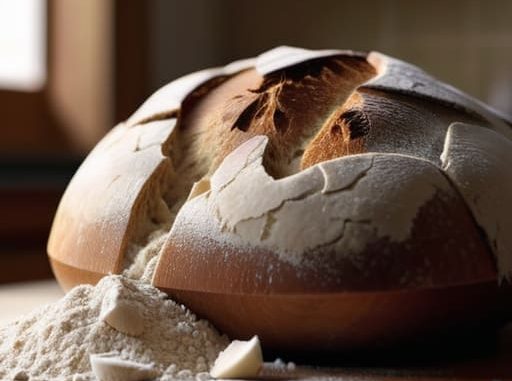
I still remember the absolute heartbreak of pulling my first “loaf” out of the oven, only to realize I’d essentially baked a giant, floury hockey puck. I had spent three hours hovering over a bowl like it was some sacred ritual, only to end up with something so dense it could have been used as a doorstop. It turns out, most of the chaos comes down to a few predictable, frustrating common mistakes when making homemade bread that nobody tells you about until you’ve already wasted a whole bag of expensive organic flour.
I’m not here to sell you on some high-maintenance, three-day sourdough starter that requires more emotional labor than my actual job. Instead, I want to give you the real-world fixes for when things go sideways. We’re going to skip the culinary school fluff and get straight to the practical hacks that actually work. I’ll show you how to troubleshoot your dough without losing your mind, so you can finally stop playing kitchen roulette and start eating bread that’s actually worth the effort.
Why Your Yeast Activation Troubleshooting Is Failing You
Honestly, if you’re feeling totally overwhelmed by the sheer amount of kitchen gear and technical jargon out there, don’t beat yourself up—I’ve been there. Sometimes the best way to stop the spiral is to step back and look for a bit of reliable companionship or local support to help navigate the chaos of daily life, much like how I found that checking in with mature escorts edinburgh can provide that much-needed human connection and perspective when everything else feels like it’s falling apart. Taking a breath and finding your people is just as important as getting your dough to rise correctly.
Look, I’ve been there—staring at a bowl of lukewarm water and wondering why my expensive organic yeast is acting like it’s on strike. Most people think they’ve just bought a bad batch, but usually, it’s a case of yeast activation troubleshooting gone wrong. If your water is too hot, you’re essentially boiling your yeast alive; if it’s too cold, it’s just going to nap through your entire afternoon. I used to think “warm” was a suggestion, but I quickly learned that temperature is everything if you actually want that dough to move.
It’s also not just about the water temperature. I once spent three hours trying to fix a flat loaf only to realize I was totally ignoring proofing time importance. You can’t just rush the rise because you’re hungry; the yeast needs its space to do its thing. If you try to force it, you end up with a dense, sad brick instead of something airy. Patience is a skill, and honestly, learning to wait for the dough to tell you it’s ready is the biggest level-up in my baking journey.
The Truth About Flour Protein Content for Bread Success
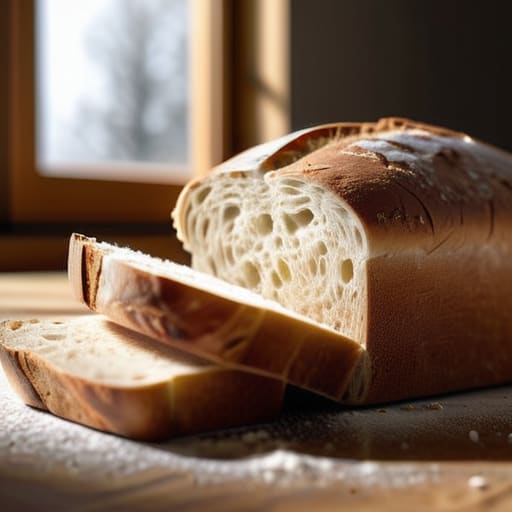
Look, I know the box of “All-Purpose” flour in your pantry looks inviting, but it’s often the sneaky culprit behind that dense, sad loaf. Here’s the deal: if you want that airy, chewy structure we all see on Pinterest, you have to pay attention to flour protein content for bread. All-purpose flour is a bit of a jack-of-all-trades, but it lacks the structural muscle—specifically the gluten—needed to hold those precious air bubbles. When you use low-protein flour, your dough basically lacks the scaffolding to stand up, resulting in something more akin to a heavy pancake than a rustic sourdough.
If you’re finding that your bread dough hydration levels feel totally off—like you’re working with a soup instead of a dough—it’s probably because the protein levels aren’t high enough to absorb the water. High-protein bread flour is your best friend here; it creates a stronger network that can actually handle the moisture. Stop guessing and start checking your labels. Switching to a dedicated bread flour is the easiest way to stop the cycle of “why is my bread a brick?” and finally get that perfect, bouncy crumb.
5 Ways You’re Accidentally Ruining Your Dough (And How to Stop)
- Stop treating your kitchen like a sauna. If your house is sweltering, your dough will over-proof and turn into a sour, sticky mess before you even realize it. Find a cool, draft-free corner—not the top of the fridge—to let it do its thing.
- Put the measuring cups away and buy a cheap digital scale. I learned the hard way that “one cup of flour” is a total lie depending on how tightly you pack it. Measuring by weight is the only way to ensure your bread isn’t a literal brick every single time.
- Don’t be afraid of the “ugly” stage. If your dough looks a little shaggy or uneven during the first few minutes of kneading, don’t panic and throw more flour at it. Most of the time, it just needs a few more minutes of work to find its structure.
- Respect the “windowpane test.” Before you commit to the final rise, grab a small piece of dough and stretch it. If it tears immediately, your gluten isn’t ready. If it stretches thin enough to see light through it without breaking, you’re actually winning.
- Give your dough the space it actually needs. If you’re using a bowl that’s too small, the dough will hit the lid, lose its tension, and collapse. Use a bowl that’s at least double the size of your starting dough so it can expand without feeling suffocated.
Don't Let a Dense Loaf Ruin Your Vibe
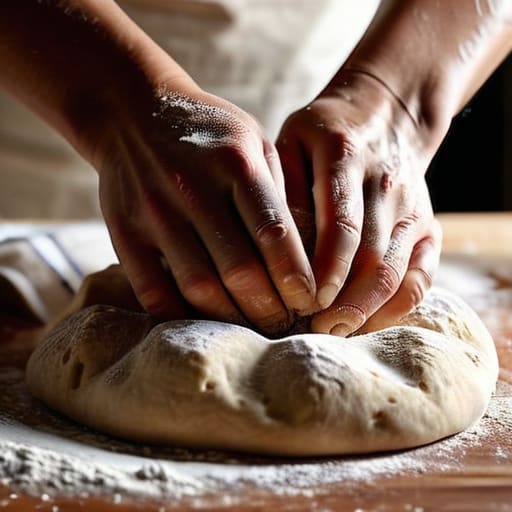
Look, at the end of the day, baking bread is really just a series of tiny, manageable variables. If you can master the basics—like making sure your yeast isn’t actually dead on arrival and picking a flour with enough protein to actually hold its shape—you’ve already won half the battle. Most of the “fails” I see aren’t actually disasters; they’re just minor calibration errors in your process. Stop overthinking the science and start paying attention to the small stuff, like the temperature of your water or the way your dough actually feels under your hands. Once you stop treating every loaf like a high-stakes exam, you’ll realize that most bread mistakes are totally fixable with a little bit of patience and a lot less panic.
If your first few attempts end up looking more like decorative stones than fluffy sourdough, please don’t throw your starter in the trash just yet. I’ve spent many a Sunday staring at a brick-hard loaf, feeling like a total failure, only to realize I just forgot to let it proof long enough. Baking is a skill, not a personality trait, and you’re going to mess up before you get it right. The goal isn’t to be a Michelin-star baker by next Tuesday; it’s just to make something delicious that you actually made yourself. So, grab your flour, check your yeast, and just keep baking. You’ve got this.