I used to think that if I wanted to fix the stale, heavy feeling in my apartment, I’d have to drop a paycheck on some high-tech, smart-sensor air purifier that looks like it belongs in a sci-fi movie. But honestly? Most of those expensive gadgets are just marketing fluff designed to make you feel like your home is a biohazard. I spent way too much time scrolling through sponsored ads before realizing that learning how to improve indoor air quality doesn’t require a massive renovation or a tech-bro budget; it just takes a little bit of common sense and a few actual habits.
I’m not here to sell you on miracle machines or complicated scientific jargon that leaves you more stressed than when you started. Instead, I’m sharing the low-effort, budget-friendly hacks that I actually use in my own space to keep things fresh and breathable. We’re going to talk about real-world fixes—from plant placement to simple maintenance routines—that will help you reclaim your home without the constant state of crisis management.
Low Effort Hacks for Reducing Household Allergens
First things first: you don’t need to spend a fortune on high-tech gadgets to start reducing household allergens. If you’re like me and struggle with seasonal sniffles even when you’re stuck inside, the culprit is probably just dust mites and pet dander hanging out in your fabrics. My go-to move? A quick vacuum session with a machine that actually has a HEPA filter. It’s a total game-changer because those filters actually trap the tiny particles that standard vacuums just blow right back out into your breathing zone.
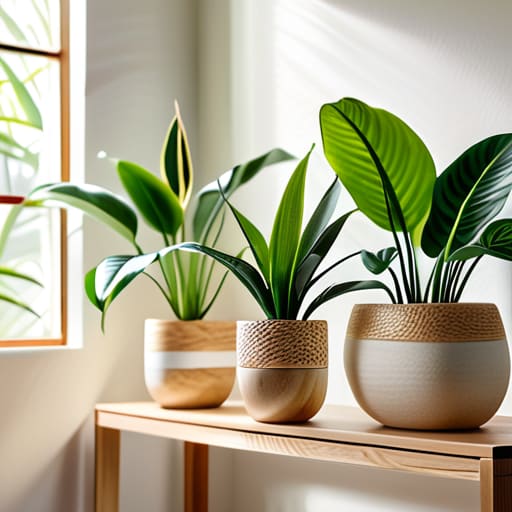
If a deep clean feels like too much on a Tuesday, lean into some greenery. I’ve found that keeping a few best air purifying plants—like a Snake Plant or a Peace Lily—on my windowsill makes my space feel way less stuffy. They aren’t a magic fix for everything, but they definitely help soften the vibe. Also, if you notice your place feels a bit damp or “heavy,” try controlling humidity levels by keeping it between 30% and 50%. It’s a small tweak that keeps mold from throwing a party in your corners.
Smart Ventilation Techniques for Homes Without the Chaos
If you’re living in a space where you can’t just rip out walls to install a high-tech HVAC system, don’t panic. Most of us are working with whatever layout we were handed, so we have to get creative with our ventilation techniques for homes. The easiest move? Cross-ventilation. Instead of just cracking one window, open two on opposite sides of your place to create a natural draft. It’s the fastest way to flush out common indoor air pollutants like cooking odors or that stale “closed-up apartment” smell without spending a dime.
When you can’t get a breeze going, it’s time to lean on your tech. If you’re looking to invest a little, look for a purifier that specifically mentions HEPA filter benefits; they are absolute game-changers for trapping the tiny stuff you can’t even see. Also, keep an eye on your moisture levels. If your bathroom or kitchen feels perpetually damp, you’re likely struggling with controlling humidity levels, which is basically an invitation for mold to move in. A simple, cheap hygrometer can tell you exactly when to turn on the exhaust fan or crack a window to keep things balanced.
The "Lazy" Guide to Keeping Your Air Fresh
- Get a real air purifier, not just a fancy-looking fan. Look for one with a HEPA filter—it sounds technical, but it’s basically just a magnet for all that invisible dust and pet dander that makes you sneeze at 3 AM. Stick it in your bedroom and just let it do the heavy lifting while you sleep.
- Stop treating your vacuum like an optional chore. If you’re living in a small space, dust settles fast and gets kicked back up every time you walk around. Once a week, hit the rugs and the corners of your baseboards. It’s a ten-minute job that stops your room from feeling “stuffy.”
- Watch your humidity levels so you aren’t basically living in a swamp. If your place feels damp or smells a little funky, grab a cheap hygrometer (they’re like $10 on Amazon) to check the levels. If it’s too high, you’re inviting mold to move in, and nobody has the budget or the energy for a mold remediation project.
The TL;DR on Breathing Easier
You don’t need a high-tech, expensive setup to see a difference; start with the basics like swapping your HVAC filters and keeping your plants watered to keep the dust and allergens at bay.
Consistency beats intensity every single time—just a few minutes of opening windows for cross-ventilation or a quick vacuum session will do more for your sanity than one massive deep clean once a year.
The Bottom Line
Look, I know that staring at a pile of dust or wondering if your HVAC filter is actually doing anything feels like just another chore on an endless to-do list. But between swapping out those filters, letting some fresh air in through the windows, and finally getting those leafy plants into your living room, you’ve already done the heavy lifting. You don’t need to turn your apartment into a sterile laboratory to see a difference; it’s really just about making a few small, intentional shifts in your daily routine to keep the air from feeling heavy and stale.
At the end of the day, your home should be your sanctuary, not a source of low-grade respiratory stress. Taking control of your environment is one of those tiny wins that actually compounds over time, making your space feel lighter and more breathable. You don’t have to fix everything at once, so just pick one thing from this list and do it today. You’ve got this, and your lungs will definitely thank you for it.
Frequently Asked Questions
Are air purifiers actually worth the money, or am I just paying for a fancy glowing light?
Look, I get it. I’ve spent way too much time staring at those sleek, glowing air purifiers on Instagram wondering if they’re just expensive nightlights. Honestly? It depends. If you’re dealing with heavy seasonal allergies or a pet that sheds like it’s a full-time job, a solid HEPA filter is a total game-changer for your sanity. But if your air is already mostly fine, don’t blow your rent money on a glorified fan.
Can I just use essential oil diffusers to clean the air, or is that actually making things worse?
Honestly? It’s a bit of a double-edged sword. While diffusers make your place smell like a spa, they don’t actually “clean” the air—they just add particles to it. If you’re using cheap, synthetic oils, you might actually be making your air quality worse by pumping in VOCs. If you love the vibe, stick to high-quality, pure essential oils and don’t overdo it. Otherwise, you’re just perfuming the dust.