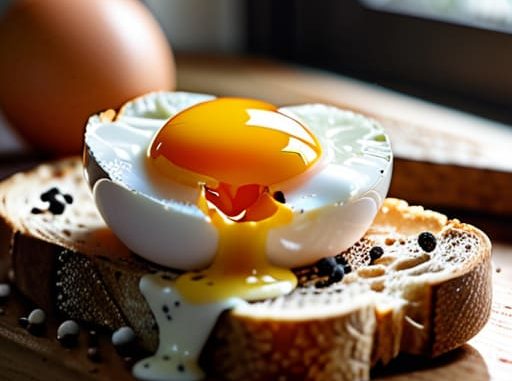
I used to think that learning how to cook eggs meant I needed a $50 copper pan and a culinary degree just to avoid making a rubbery, sad mess. Honestly, the internet loves to make this feel like some high-stakes chemistry experiment, but we both know you’re probably just trying to eat something decent before your 9:00 AM meeting. If you’ve ever stared at a pan of gray, overcooked whites and felt like you were failing at basic adulthood, trust me—I’ve been there too.
I’m not here to give you some pretentious, five-star recipe that requires ingredients you don’t own. Instead, I’m breaking down how to cook eggs using the actual, low-stress methods I use in my own tiny kitchen when I’m running on caffeine and zero willpower. We’re going to focus on the small, repeatable hacks that guarantee a win every single time, so you can spend less time hovering over a stove and more time actually living your life.
Mastering Egg Cooking Temperatures for a Sanity Saving Breakfast
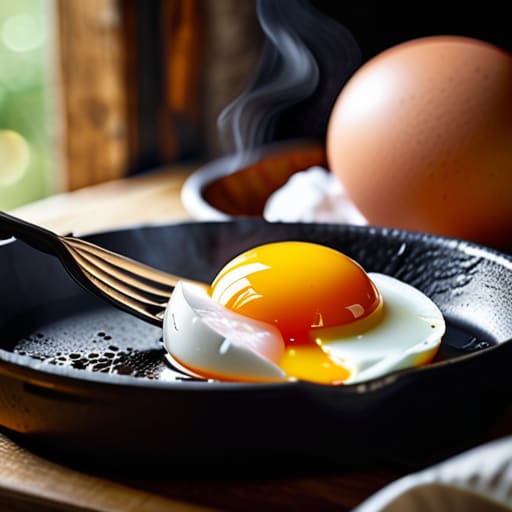
Here’s the thing: most of us treat the stove like a game of Russian Roulette, hoping for the best and praying we don’t end up with something rubbery. But if you want to stop the morning panic, you actually need to get a handle on egg cooking temperatures. It’s not just some boring science lesson; it’s the difference between a silky breakfast and something that feels like chewing on a pencil eraser.
If you’re aiming for those fluffy, cafe-style vibes, my favorite scrambled egg texture tips always boil down to one rule: low and slow. If you crank the heat to high because you’re running late, you’re basically flash-frying the proteins, which makes them tough and watery. Instead, keep the burner on medium-low. You want the eggs to curdle gently, not hiss at you. It takes an extra minute, but your future, less-frustrated self will thank you.
Essential Scrambled Egg Texture Tips for Busy Mornings
Look, we’ve all been there: you’re halfway to work, you’re running late, and you end up with a plate of rubbery, dry yellow clumps that taste more like cardboard than breakfast. If you want to avoid that sad, sponge-like consistency, you need to understand a little bit of egg protein science without actually needing a chemistry degree. Basically, eggs tighten up and squeeze out moisture when they get too hot for too long. To keep things creamy, pull them off the heat while they still look slightly “wet”—the residual heat will finish the job on the plate.
Another pro-tip for better scrambled egg texture tips is to stop overworking them. I used to stir like crazy thinking it would make them fluffier, but all I was doing was incorporating too much air and making them tough. Instead, try the “low and slow” method. Use a bit more butter than you think you need, keep the heat medium-low, and just gently fold the curds. It takes an extra minute, but trust me, the upgrade in quality is worth the extra sixty seconds.
Three Low-Effort Hacks for Eggs That Actually Taste Good
- Stop skipping the seasoning step. I know, it sounds basic, but salt your eggs before they hit the pan. It helps break down the proteins so you don’t end up with that weird, rubbery texture that makes you want to regret your life choices.
- Invest in a decent spatula, not just any random utensil. I’m talking about a flexible silicone one. If you’re trying to scrape every last bit of deliciousness off the pan without making a mess, a stiff metal spatula is going to fail you every single time.
- Don’t let the heat do all the heavy lifting. If your eggs are looking brown or crispy at the edges, you’re cooking them too fast. Pull them off the heat while they still look slightly “wet”—the residual heat will finish the job on the plate, and you’ll avoid that dreaded overcooked dryness.
The TL;DR on Egg Success
Don’t let the heat do the heavy lifting—keep things low and slow to avoid that rubbery, “I forgot I was cooking” texture.
Invest in a decent non-stick pan; it’s the ultimate hack to save you from a sink full of scrubbing later.
The Bottom Line
At the end of the day, mastering eggs isn’t about being a Michelin-star chef; it’s about knowing that temperature control and the right pan can save you from a breakfast disaster. Whether you’re obsessing over the perfect creamy scramble or just trying to get a fried egg on toast without a massive cleanup, remember that the small details make the biggest difference. Once you get the hang of managing your heat and choosing the right tools, you’ll stop viewing breakfast as a chore and start seeing it as a low-effort win for your morning routine.
Don’t let a broken yolk or a rubbery texture make you feel like you’ve failed at adulting. We’ve all been there, staring at a sad, overcooked mess in a pan. The goal here is progress, not perfection. Treat these tips as your new baseline, and soon, making a decent meal will feel like second nature rather than a high-stakes experiment. You’ve got this—now go grab a pan and make something delicious.
Frequently Asked Questions
How do I stop my eggs from sticking to the pan if I don't want to use a ton of butter?
Look, I get it. I love butter as much as the next person, but my kitchen (and my arteries) can’t handle a grease slick every single morning. If you’re trying to skip the heavy fats, the secret is actually all about heat management. Get your pan warm first, then add a tiny bit of oil—just a light coating—and keep that heat low. If you rush it with high heat, they will bond to the pan.
What's the quickest way to tell if an egg is actually fresh before I crack it into the pan?
The Float Test is your best friend here. Grab a glass of water and drop the egg in. If it sinks to the bottom and stays flat, you’re golden. If it stands up on one end but stays submerged, it’s getting older but is still totally fine to eat. But if it actually floats to the top? Toss it. Life is too short to risk a funky breakfast.