
Please, stop wasting your money on those “specialized” stainless steel sprays that come in fancy bottles and promise to magically restore your kitchen to showroom status. Most of them are just overpriced, scented water that leave behind a weird, sticky film that actually attracts more dust. I spent way too much of my early twenties buying into the hype, thinking I needed a chemistry degree just to figure out how to clean stainless steel without leaving a trail of streaks behind. It’s honestly exhausting when even basic chores feel like they require a subscription service.
I’m not here to sell you a lifestyle or a specific brand; I’m here to give you the actual toolkit that works. I’ve tested the weird stuff, the expensive stuff, and the “YouTube hack” stuff so you don’t have to. I’m going to show you how to get a mirror-like finish using things you probably already have in your pantry. Consider this your no-nonsense roadmap to a clean kitchen that doesn’t require a mid-cleaning meltdown or a massive trip to the store.
Removing Fingerprints From Stainless Steel Without the Drama
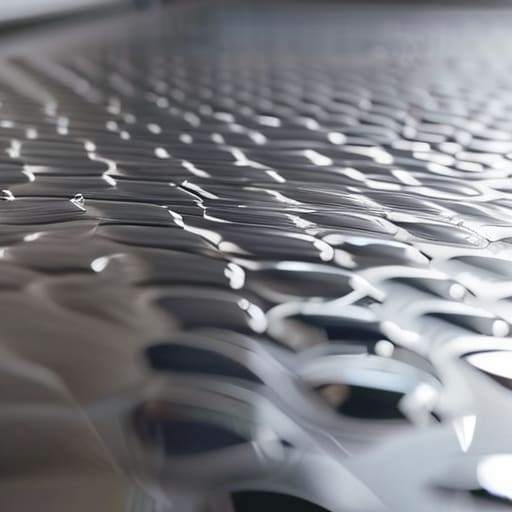
Look, we’ve all been there. You spend twenty minutes meticulously wiping down your fridge only for someone to touch it five seconds later, leaving behind a greasy smudge that looks like a crime scene. If you’re tired of the constant battle of removing fingerprints from stainless steel, you don’t need a chemistry degree or a cabinet full of expensive sprays. Honestly, the most effective method is usually the simplest one sitting in your pantry right now.
I swear by the “vinegar and oil” combo for a reason. First, grab a spray bottle of white vinegar and spritz the surface to cut through the grime. Wipe it down with a microfiber cloth for metal cleaning—and I mean really buff it in the direction of the grain, otherwise, you’re just moving the mess around. Once it’s dry, take a tiny drop of olive oil on a fresh cloth and buff it in. It creates a subtle barrier that makes future smudges much easier to wipe away, saving you from a total cleaning meltdown later.
Using Vinegar and Oil for a Quick Kitchen Reset
If you’re anything like me, you probably want to avoid a cabinet full of specialized, expensive chemical sprays that just end up taking up space. Honestly, some of the best natural cleaners for steel are likely already sitting in your pantry. If your fridge or stovetop is looking a little dull and lackluster, grab a spray bottle of white vinegar and a little bit of olive oil. It sounds too simple to work, but it’s a total game-changer for a quick kitchen reset.
Start by spraying the vinegar directly onto the surface to cut through any lingering grime or grease. Use a microfiber cloth for metal cleaning to wipe everything down in the direction of the grain—this is the secret sauce to avoiding those annoying streaks. Once it’s clean and dry, take a tiny drop of oil on a fresh cloth and buff it in. This isn’t just about shine; it’s one of those underrated stainless steel polishing techniques that actually helps with preventing water spots on steel later on. It’s fast, cheap, and saves me from a full-blown cleaning crisis.
Three Pro-Tips to Save Your Sanity (and Your Surfaces)
- Always follow the grain. I learned this the hard way when I tried to scrub against the pattern and ended up with micro-scratches that drove me insane. Look closely at your appliances—those faint lines are your map. Wipe with them, not against them.
- Ditch the abrasive sponges. I know it’s tempting to go in heavy with the steel wool when there’s a stubborn burnt-on spot, but please don’t. You’ll ruin the finish. Stick to microfiber cloths or even an old soft cotton T-shirt; they do the job without the permanent damage.
- Dry it like you mean it. Water spots are the ultimate vibe killer in a clean kitchen. Even if you use a great cleaner, if you let it air dry, you’re just inviting those annoying cloudy streaks to hang out. Give it one final buff with a bone-dry cloth to lock in that shine.
The TL;DR for a Shiny Kitchen
Always wipe with the grain of the metal—it’s not just for looks, it actually prevents those annoying streaks from settling in.
Keep a small spray bottle of vinegar and a microfiber cloth on hand so you can fix messes in thirty seconds instead of letting them become a “weekend project.”
The Low-Maintenance Shine
At the end of the day, keeping your appliances looking decent doesn’t require a chemistry degree or an expensive cabinet full of specialized sprays. Whether you’re just wiping away those annoying fingerprints with a bit of oil or doing a full kitchen reset with vinegar, the goal is to work smarter, not harder. You don’t need to spend your entire Saturday scrubbing; just grab your microfiber cloth, follow the grain, and you’re golden. It’s all about having those small, reliable hacks in your back pocket so you can get back to actually living in your home.
I know that sometimes even the simplest chores can feel like just one more thing on an endless to-do list, but don’t let a few smudge marks on the fridge ruin your vibe. Cleaning isn’t about achieving some impossible, showroom-perfect standard; it’s just about maintaining your space so it feels like a sanctuary rather than a source of stress. Take a breath, grab your multi-tool or your cleaning cloth, and just start small. You’ve got this, and I promise, it’s way easier than it looks.
Frequently Asked Questions
Can I use those generic disinfecting wipes on my appliances, or will they ruin the finish?
Honestly? Please, don’t. I used to think wipes were a total lifesaver until I noticed my fridge starting to look super dull and streaky. Most generic disinfecting wipes have harsh chemicals that can actually strip the protective coating right off your appliances. It’s a one-way ticket to a permanent cloudy mess. Stick to the microfiber cloth and a gentle spray—your sanity (and your finish) will thank you.
Is there a specific direction I should be wiping so I don't end up with weird streaks?
Yes, and this is actually the part where most people mess up. Look closely at your appliance—you’ll see a faint pattern of lines running either horizontally or vertically. That’s the “grain.” Always wipe in the same direction as those lines. If you go against them or move in circles, you’re basically just trapping dirt and cleaning streaks in the microscopic grooves. Follow the grain, keep it consistent, and you’re golden.