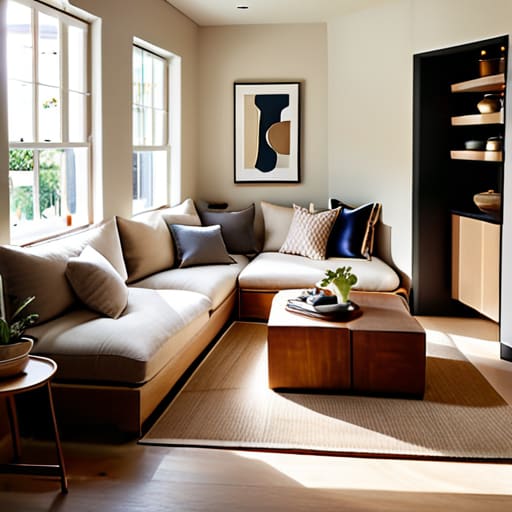
Can we please stop pretending that you need a professional interior designer and a five-figure budget to fix a cramped room? I spent way too many years in my tiny childhood apartment trying to force a massive, bulky sofa against a wall just because “that’s how you do it,” only to realize I’d basically turned my living space into a narrow, awkward hallway. Most of the living room layout ideas you see on Pinterest are designed for mansions with endless square footage, not for real people living in actual apartments where every inch counts.
I’m not here to sell you on a lifestyle aesthetic that requires a mortgage overhaul; I’m here to help you actually live in your space. I’ve spent enough time moving furniture around my own tiny rentals to know what works and what’s just a waste of energy. I’m going to give you some honest, low-effort ways to rearrange your setup so your home feels less like a cluttered obstacle course and more like a place where you can actually breathe.
Mastering Living Room Traffic Flow Without the Chaos
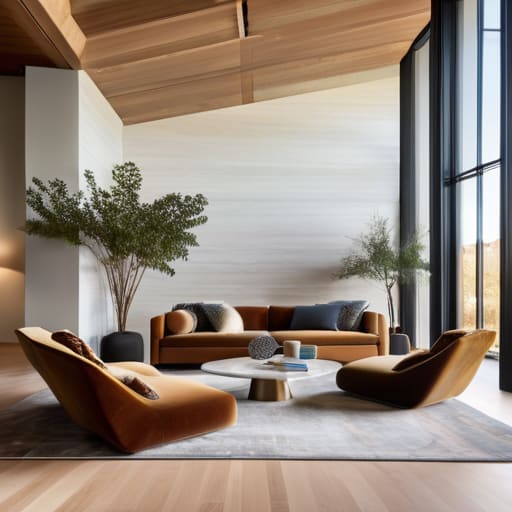
Mastering Living Room Traffic Flow Without the Chaos
The biggest mistake I see (and honestly, I’ve made it a dozen times) is treating your living room like a museum where nothing can move. You end up creating these awkward obstacle courses where guests have to shimmy past the coffee table just to reach the kitchen. To fix this, you need to prioritize living room traffic flow by mapping out the natural “highways” in your room. If you have an open concept, don’t just shove everything against the walls; use the back of your sofa to act as a subtle divider that guides people along a clear path rather than cutting right through the middle of your conversation zone.
When you’re working with a small living room space saving mindset, every inch counts, but don’t sacrifice movement for the sake of fitting in one more armchair. I always recommend leaving at least 18 inches between your coffee table and your seating. It feels tight at first, but it’s the difference between a room that feels intentional and one that feels like a cluttered storage unit. If you can walk through the space without doing a weird side-step, you’ve officially won the battle against the chaos.
Small Living Room Space Saving Hacks for Busy Lives
If you’re living in a space where your coffee table feels like an obstacle course, I get it. I spent years navigating a studio apartment where every wrong move meant a bruised shin. The secret to small living room space saving isn’t about buying more tiny furniture; it’s about choosing pieces that actually work for you. Look for things with legs—seeing the floor underneath a sofa or a sideboard creates an illusion of depth that keeps the room from feeling like a box.
Also, stop trying to cram everything against the walls just because you think it creates more room. That’s a trap. Instead, try grouping your seating into intentional living room conversation areas using a rug to anchor the space. Even in a tiny footprint, creating a distinct “zone” makes the room feel curated rather than just cluttered. If you have a corner that feels useless, throw a small armchair there or use a floating shelf. It’s all about maximizing every square inch without losing your mind.
Three Low-Effort Moves to Fix Your Room’s Vibe
- Stop pushing every single piece of furniture against the walls. I know it feels safer, but it actually makes your room look like a waiting room. Pulling your sofa even just six inches away from the wall creates breathing room and makes the whole space feel way more intentional and less cramped.
- Use rugs to define your “zones” instead of just letting everything float aimlessly. If you have an open-concept space, a rug acts like an invisible boundary. It tells your brain, “Okay, this is the chill zone, and that over there is the work zone,” which helps a lot when you’re trying to mentally switch gears.
- Ditch the “TV-centric” setup if it’s killing your conversation. If your furniture is all pointed at a black screen, you aren’t actually hosting; you’re just sitting in a theater. Try angling your chairs toward each other or the sofa to create a little “conversation circle”—it makes the room feel lived-in and actually social.
The TL;DR on Living Room Sanity
Prioritize movement over aesthetics; if you have to do a weird sidestep to get to the kitchen, your layout is broken.
Stop pushing everything against the walls; pulling furniture even just a few inches away creates breathing room and makes a cramped space feel intentional rather than accidental.
Stop Stressing the Floor Plan
At the end of the day, getting your living room right isn’t about following a strict interior design manual or buying a bunch of expensive, oversized furniture you can’t actually move. It’s about prioritizing how you actually move through your space. Whether you’re carving out clear walkways to avoid that awkward “obstacle course” feeling, or using smart, multi-functional hacks to make a tiny apartment feel like a sanctuary, the goal is functionality. Remember: focus on the traffic flow first and the aesthetics second. If you can navigate your room without tripping over a coffee table, you’ve already won half the battle.
Please, stop waiting for the “perfect” moment or the “perfect” house to finally feel settled. Your home should work for you, not the other way around. Even if you’re just rearranging a single chair or clearing a path to the window, these small shifts are what turn a chaotic room into a functional retreat. You don’t need a massive budget to reclaim your sanity; you just need to stop fighting your space and start making it work for your real, messy, beautiful life.
Frequently Asked Questions
How do I arrange my furniture if my living room is basically just a long, narrow hallway?
The “bowling alley” living room is my personal nemesis, but don’t panic. The trick is to stop treating it like one long runway. Instead, create “zones.” Use a rug to anchor your seating area and pull your sofa away from the long wall—even just a few inches helps. If you can, place a slim console table or a small armchair perpendicular to the walls to break up that straight line and force the eye to stop and settle.
Is it actually worth it to buy a massive sectional if I'm trying to keep my space feeling open and airy?
Honestly? Only if you’re prepared to sacrifice the “airy” vibe entirely. A massive sectional is basically a land grab for your floor plan. If you’re tight on space, it’ll make your room feel like a furniture showroom rather than a place to actually breathe. I’d suggest a sleek sofa paired with a couple of versatile accent chairs instead. You get the seating capacity without the heavy, room-swallowing footprint. Don’t let a couch dictate your square footage.