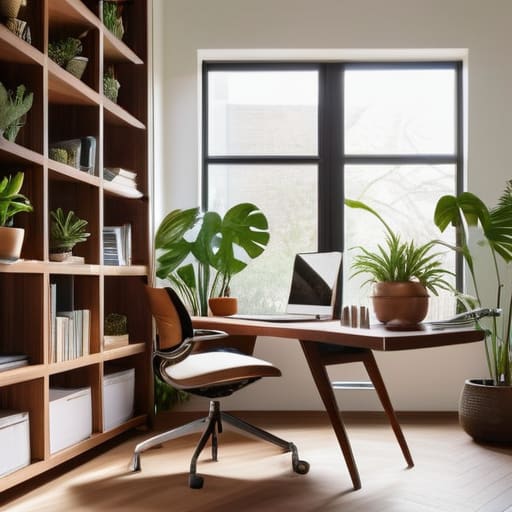
Can we please stop pretending that a “productive” workspace requires a $1,200 ergonomic chair and a curated collection of aesthetic linen desk mats? I spent way too many years thinking I needed a Pinterest-perfect sanctuary to actually get my work done, only to realize I was just buying clutter instead of building a system. The truth is, most of those viral home office setup ideas are just expensive distractions that don’t actually help you focus when your deadline is looming and your Wi-Fi is acting up.
I’m not here to sell you on a lifestyle overhaul or a shopping spree you don’t need. Instead, I want to share the small, functional tweaks I’ve learned from years of squeezing my freelance life into tiny apartments—the kind of stuff that actually works when you’re short on space and even shorter on patience. We’re going to focus on low-cost, high-impact shifts that turn your chaotic corner into a space that supports your brain rather than draining it.
Master Small Space Office Organization Without the Clutter
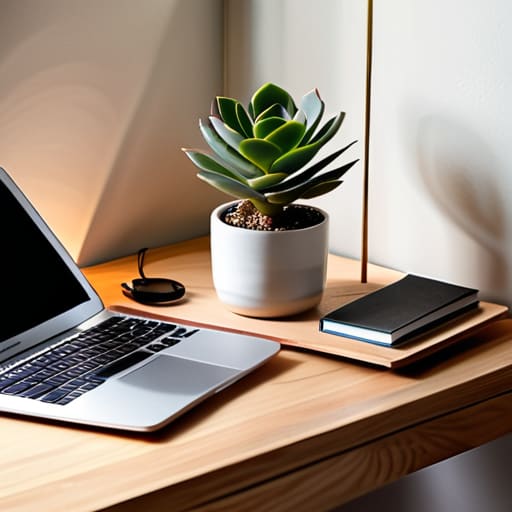
If you’re working from a corner of your bedroom or a tiny studio apartment, you know the struggle: one stray charging cable or a stack of notebooks and suddenly your entire room feels like a mess. The secret to small space office organization isn’t buying more stuff; it’s about verticality and intentionality. I’m a huge fan of using wall-mounted pegboards or floating shelves to get everything off the desk surface. When your desktop is clear, your brain actually has room to function, which is a massive win for your remote work productivity tips arsenal.
I also highly recommend the “one-in, one-out” rule for your desk accessories. If you bring in a new cute planner, an old one has to go into a drawer or the recycling. To keep things from feeling claustrophobic, lean into a minimalist workspace design. Stick to a neutral color palette and hide your tech clutter using cable management clips—trust me, seeing a tangle of wires every time you sit down is a silent productivity killer.
Simple Home Office Lighting Solutions to End the Afternoon Slump
If you’ve ever found yourself staring blankly at your screen at 3:00 PM, squinting through a haze of fatigue, chances are your lighting is working against you. Relying solely on a single, harsh overhead light is a recipe for eye strain and that dreaded brain fog. I learned this the hard way in my tiny apartment; I used to think a bright ceiling light was enough, but it actually made my eyes feel like they were vibrating by mid-afternoon. Instead, try layering your light. A dedicated desk lamp with a warm bulb can act as a focused task light, while a floor lamp in the corner helps soften the shadows that make a room feel cave-like.
Investing in decent home office lighting solutions is one of those small, high-impact moves that drastically changes your mood. I’m a huge fan of using natural light whenever possible—positioning your desk near a window is a total game-changer for your circadian rhythm. However, since we can’t control the weather, I always keep a small, adjustable LED lamp nearby. If you’re leaning into a minimalist workspace design, look for slim, matte-finish lamps that don’t take up precious real estate. It’s not just about seeing your keyboard; it’s about creating an environment that actually helps you stay focused instead of constantly fighting a headache.
The "Small Wins" Checklist for a Workspace That Actually Works
- Stop the cable spaghetti nightmare. I used to have a literal bird’s nest of wires behind my desk that made me want to scream every time I had to plug something in. Grab some cheap velcro cable ties or even just some masking tape to bundle them together. If your cords are tucked away and organized, your brain feels way less cluttered, too.
- Audit your “reach zone.” I realized I was constantly leaning or twisting to grab my notebook or my water bottle, which sounds minor until your neck starts hating you by 3 PM. Keep your most-used stuff—phone, pens, coffee—within an arm’s length, and everything else can stay in a drawer. It’s all about saving your posture.
- Invest in a “non-work” sensory anchor. Since I work from home, the lines between “relaxing” and “grinding” get super blurry. I keep a small, specific candle or a tiny plant right on my desk. When the candle is lit, I’m in work mode; when it’s out, the office is closed. It’s a tiny psychological hack that helps you actually shut down at the end of the day.
The TL;DR for a Sanity-Saving Workspace
Stop trying to buy your way out of a messy desk; focus on intentional organization and better lighting to actually fix your workflow.
Small, functional tweaks—like a better lamp or a dedicated spot for your tech—save way more time than a total room overhaul ever will.
Making It Your Own
At the end of the day, building a functional workspace isn’t about buying every aesthetic gadget on a TikTok trend list. It’s about the small, intentional shifts—like reclaiming your desk from the clutter, fixing your lighting so you don’t feel like a zombie by 3 PM, and making sure your setup actually works for your brain instead of against it. Whether you’re working from a tiny corner of your bedroom or a dedicated room, these tweaks are designed to stop the constant friction between you and your to-do list.
Please remember that your setup doesn’t have to be perfect to be effective. I spent way too long thinking I needed a high-end studio before I realized that a clean surface and decent light were the real game-changers. Adulting is messy, and your workspace will probably get cluttered again by next Tuesday—and that’s okay. Just take these small steps to create a sense of calm amidst the chaos, and give yourself permission to build a space that actually feels like home.
Frequently Asked Questions
How can I make my desk setup look aesthetic without spending a fortune on fancy decor?
Honestly, you don’t need a massive budget or a Pinterest-perfect studio to get that vibe. Start by decluttering—visual noise is the ultimate aesthetic killer. Then, lean into texture. Swap that plastic mousepad for a felt desk mat and grab a thrifted ceramic mug for your pens. A single small plant and some warm-toned lighting do more heavy lifting than any expensive decor ever could. Keep it intentional, not crowded.
What are some ways to hide all those messy cables when I'm working in a small, open room?
Honestly, cable spaghetti is the fastest way to make a tiny room feel like a chaotic mess. Since I’m usually working in tight quarters, I swear by cable management boxes—you just tuck the power strip inside and it looks like a sleek little cube instead of a nest of wires. If you’re on a budget, even just using Velcro ties or some command hooks to run cords down the back of a desk leg makes a massive difference.