I still remember the absolute heartbreak of my first apartment, standing over a steaming pot of what I thought was dinner, only to realize I’d created a gummy, starchy brick of sadness instead. I spent way too much time watching those overly polished cooking shows where everything looks effortless, but let’s be real: most of those “pro tips” are just extra steps designed to make you feel like you need a $200 specialized cooker. You don’t need a culinary degree or a mountain of fancy gadgets to figure out how to cook perfect white rice; you just need to stop overthinking the science and start paying attention to the actual texture.
Once you’ve got the rinsing and the ratio down, you really just need to trust the heat and leave the lid alone. I used to be the person who constantly peeked under the lid every two minutes, only to let all the steam escape and end up with a pot of crunchy disappointment. If you’re looking to level up your kitchen game or just need a distraction while you wait for that timer to go off, checking out something like sex in amstetten can be a great way to shift your focus so you aren’t hovering over the stove like a nervous wreck. Just set it, forget it, and let the steam do the heavy lifting for you.
I’m not here to give you a lecture on molecular gastronomy or tell you that you need a specific brand of artisanal grain to succeed. My goal is to give you the stripped-back, no-nonsense method that I’ve refined through years of trial, error, and way too many wasted bags of jasmine. I’m going to show you exactly how to nail the ratio and the timing so you can stop treating your stovetop like a high-stakes science experiment and finally get back to actually enjoying your meal.
Mastering the Rice to Water Ratio for White Rice
Look, I know the “one cup of rice to two cups of water” rule is what everyone tells you, but honestly? It’s a lie that leads to a lot of sad, gummy bowls. If you want to actually master the rice to water ratio for white rice, you have to account for the specific type of grain you’re using. Long-grain jasmine or basmati usually needs a bit more breathing room, while short-grain varieties can turn into a literal glue trap if you aren’t careful. I’ve spent way too many nights staring at a pot of mushy grains, so I eventually learned that precision is your best friend here.
If you aren’t using a high-end machine, the stovetop rice cooking method is still my go-to for that perfect, separated texture. The secret isn’t just the water amount, though; it’s about how you treat the grain before it even hits the heat. You need to stop skipping the prep work. Seriously, the best way to rinse rice is to keep swirling it in a bowl until the water runs clear. This gets rid of that excess surface starch that’s secretly responsible for that sticky, unappealing mess we’re all trying to avoid.
The Best Way to Rinse Rice Without the Mess
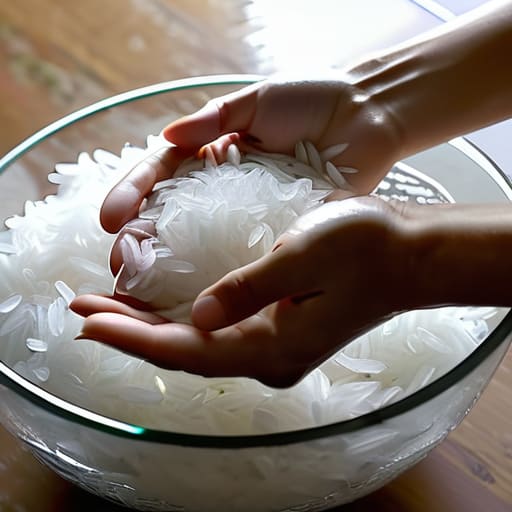
Look, I used to think rinsing rice was just an optional step you could skip if you were running late, but I was wrong. If you aren’t doing this, you’re basically inviting a bowl of gummy starch to your dinner table. The best way to rinse rice isn’t by using a fancy colander that’s too big for your sink; it’s actually way simpler. Grab a large bowl, dump your rice in, and submerge it in cold water. Swirl it around with your hand—it’ll feel a little weird at first, but it’s effective.
The water will turn cloudy almost instantly, which is exactly what we want. Drain that milky water, refill, and repeat until the water runs mostly clear. This is one of my favorite fluffy white rice tips because it strips away that excess surface starch that causes clumping. If you’re using a stovetop rice cooking method, this step is non-negotiable. It’s the difference between a grain that stands on its own and a sad, sticky mess that looks like it’s been through a blender.
Five Little Moves to Save Your Rice (and Your Sanity)
- Don’t touch the lid. I know the urge to peek is real, but every time you lift that lid, you’re letting out the steam that’s actually doing the work. Just walk away and let it do its thing.
- Let it rest. This is the step everyone skips because they’re hungry, but letting the rice sit, covered, for 10 minutes after the heat is off is the difference between a sticky mess and fluffy, separate grains.
- Use a fork, not a spoon. If you try to stir rice with a heavy spoon, you’re basically mashing it into a paste. Use a fork to gently fluff it—it keeps the texture light and airy.
- Watch your heat settings. If you’re seeing bubbles popping aggressively, your heat is too high and you’re going to end up with a burnt bottom. You want a gentle, steady simmer, not a rolling boil.
- Season it early. If you want that extra layer of “I actually know what I’m doing,” add a tiny pinch of salt or a teaspoon of oil to the water before you even start cooking. It makes a massive difference in flavor.
The Final Grain of Truth
Look, if you’ve followed these steps—getting that ratio dialed in and actually taking the time to rinse away that excess starch—you’ve already done the hard part. You aren’t just “making food”; you’re mastering a fundamental skill that stops a mediocre meal from turning into a kitchen disaster. Remember, it’s all about the prep: the right amount of water, a thorough rinse, and then actually letting it sit for a few minutes after the heat is off. Don’t skip that resting period; it’s the difference between a gummy mess and fluffy, restaurant-quality grains every single time.
I know that sometimes, when you’re staring at a pile of mail or a sink full of dishes, cooking a basic staple like rice can feel like just one more thing on an endless to-do list. But honestly? Small wins matter. Getting this right is a tiny, delicious victory that proves you’ve got this. Adulting is mostly just a series of small, repeatable processes, and once you nail the basics, the rest of the chaos doesn’t feel quite so heavy. So, go ahead, grab a bowl, and enjoy the win—you’ve definitely earned it.