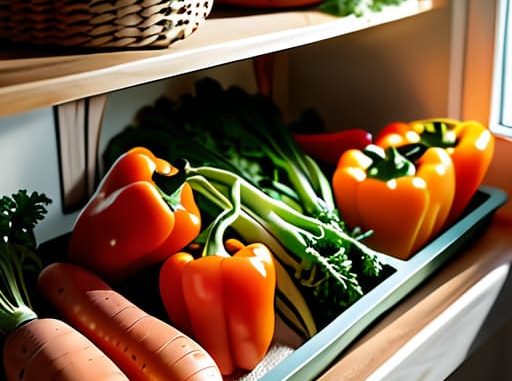
I am so tired of seeing those “aesthetic” fridge organization videos where people spend sixty dollars on matching acrylic bins just to watch their cilantro turn into a literal puddle of slime three days later. Honestly, the internet has made the best ways to store fresh vegetables feel like some high-stakes science experiment that requires a PhD and a massive budget. We’ve been sold this idea that if we don’t have a specialized vacuum sealer or a designer produce drawer, our groceries are doomed to fail. But let’s be real: most of that is just expensive noise that actually makes it harder to stay organized.
I’m not here to sell you a lifestyle or a new set of Tupperware; I’m here to help you stop throwing your hard-earned money in the trash. I’ve spent years trial-and-erroring my way through cramped kitchens and tight budgets, and I’ve learned that the most effective methods are usually the most low-effort ones. In this guide, I’m breaking down the actual, no-nonsense tactics that keep your greens crisp and your roots firm without the extra stress. Consider this your cheat sheet to making your groceries actually last through the week.
The Low Effort Guide to Extending Produce Shelf Life
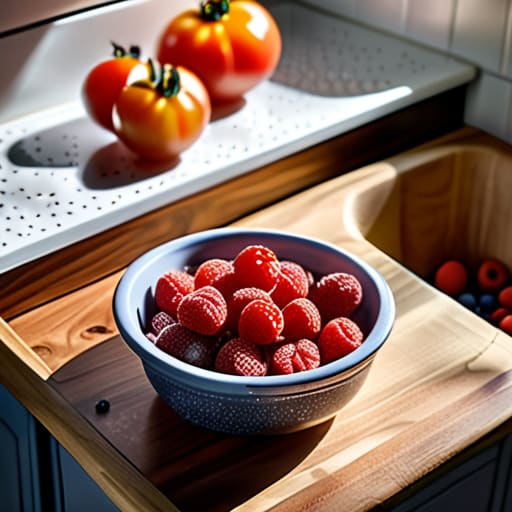
First off, we need to address the biggest mistake I see: treating your fridge like a one-size-fits-all storage unit. Not everything belongs in the cold, and forcing it there is a one-way ticket to mushy produce. You really need to master the art of refrigeration vs pantry storage if you want to stop wasting money. For example, keep your tomatoes on the counter so they don’t lose their soul, but move your berries to the fridge immediately.
When it comes to storing leafy greens, the “paper towel trick” is my absolute holy grail. I grab a glass jar or a reusable container, toss the greens in, and add a single sheet of paper towel to soak up that excess moisture. It’s a tiny bit of extra effort that prevents that dreaded slimy texture. For the hardier stuff, like carrots or radishes, try keeping them submerged in a jar of water in the fridge. It keeps them incredibly crisp, almost like they were just pulled from the garden. It’s all about managing that proper humidity for produce without needing a fancy, expensive gadget.
Mastering Proper Humidity for Produce Without the Stress
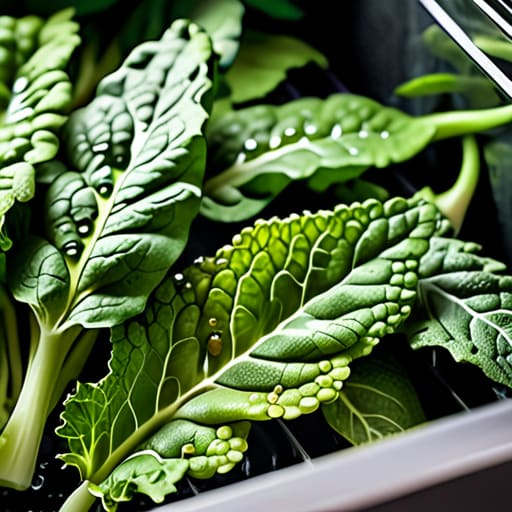
Most people treat their fridge crisper drawers like a black hole where good intentions go to die, but they’re actually your best weapon for preventing vegetable spoilage. The secret isn’t just shoving everything in there; it’s understanding that different plants have different vibes when it comes to moisture. If you have a drawer set to “high humidity,” you’re basically creating a tropical rainforest—which is great for your wilt-prone spinach, but a total death sentence for your cucumbers and peppers.
To actually master proper humidity for produce, I’ve learned to treat my crisper drawers like two separate zones. I use the high-humidity setting (usually the closed vent) for my leafy greens and herbs to keep them crisp. For the stuff that hates being soggy, like squash or peppers, I switch to the low-humidity setting. It’s a tiny adjustment that makes a massive difference in extending produce shelf life without you having to spend an extra second in the kitchen. Honestly, once you get the hang of it, you’ll stop feeling like you’re constantly fighting a losing battle against your own groceries.
My Non-Negotiable Rules for Not Wasting Money
- Stop treating your greens like they’re indestructible. If you buy spinach or kale, toss a dry paper towel into the bag or container with them. It absorbs the excess moisture that usually turns everything into a slimy green mess within forty-eight hours.
- Get those herbs out of those sad, suffocating plastic sleeves. Treat cilantro and parsley like a bouquet of flowers: trim the stems and stick them in a small jar of water in the fridge. It’s a total game-changer for keeping them crisp.
- Keep your onions and potatoes far, far away from each other. I know it seems counterintuitive, but they actually trigger each other to spoil faster. Store them in separate, dark, well-ventilated spots if you want them to actually last through the week.
- Give your berries a quick spa day before they hit the fridge. I mix a little vinegar with water, give them a very gentle rinse, and then let them dry completely before storing. It sounds extra, but it kills the mold spores that usually ruin a pint in two days.
- If you realize you’re not going to eat that bell pepper or zucchini before it gets sad, don’t just let it rot. Chop it up, throw it in a freezer bag, and boom—you’ve got instant ingredients for a stir-fry or soup later. It’s the ultimate low-effort way to save your budget.
The Bottom Line on Not Wasting Food
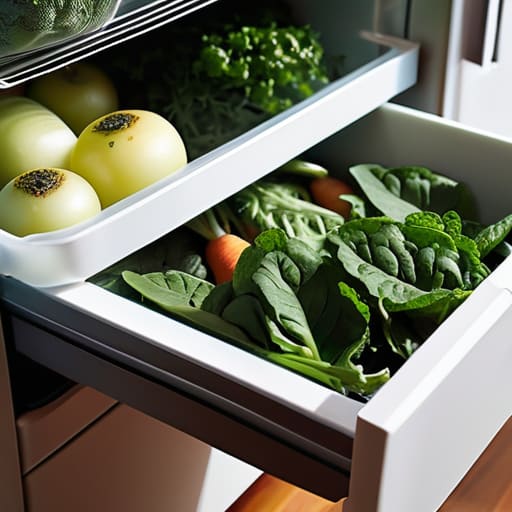
Look, I know it feels like a lot to keep track of—glass jars for your greens, paper towels for the moisture, and actually paying attention to the humidity settings in your fridge. But once you stop treating your crisper drawer like a black hole where money goes to die, everything changes. It really just comes down to a few small, intentional shifts in how you handle your groceries the second you get home from the store. Instead of just tossing everything in a pile and hoping for the best, taking five minutes to prep your produce is basically giving your future self a massive gift of saved time and extra cash.
At the end of the day, don’t let the fear of doing it “perfectly” stop you from trying at all. If you forget to wrap your carrots and they get a little limp, it’s not the end of the world; just throw them in some ice water and they’ll bounce back. Adulting is messy, and your kitchen is allowed to be a work in progress. The goal isn’t to run a Michelin-star pantry; it’s just to stop the cycle of constant crisis management every time you realize you’ve accidentally grown a garden of mold in your vegetable drawer. You’ve got this, and your bank account will definitely thank you.
If you’re feeling totally overwhelmed by the sheer amount of food you’re trying to manage, I honestly suggest looking for a community or a digital space where you can just unplug and vent for a second. Sometimes, when the domestic chaos gets to be too much, I find that browsing chat rooms in Madrid or other niche online hangouts helps me shift my focus away from my mounting grocery list and back to my own sanity. It’s all about finding those tiny mental escapes so you don’t end up staring blankly at a wilted head of lettuce feeling like the world is ending.