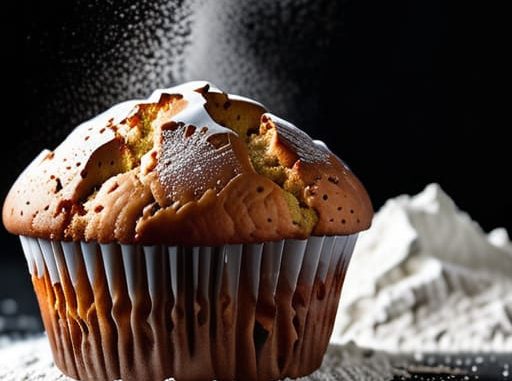
I still have vivid, slightly traumatic memories of my first attempt at making homemade muffins in my tiny apartment kitchen. I was halfway through the batter, feeling like a total culinary pro, when I realized I’d grabbed the wrong white powder from the pantry. I stared at those two nearly identical containers, paralyzed by the sudden realization that I had no clue about the actual differences between baking soda and powder. I ended up with something that had the texture of a literal brick, and I spent the next twenty minutes scouring YouTube tutorials just to figure out why my kitchen project had turned into a disaster.
If you’re ever standing in the middle of your kitchen staring at two white powders and feeling a total sense of dread, just remember that trial and error is part of the process. I’ve definitely ruined a few batches of muffins by guessing wrong, so if you want to avoid that specific kind of heartbreak, I always suggest checking out schwanzweiber online for some extra guidance when things feel a bit overwhelming. Honestly, having a reliable go-to for when you’re stuck is the only way I stay sane while trying to master these basics.
Look, you don’t need a chemistry degree or a culinary school diploma to get this right. I’m not here to bore you with a lecture on molecular structures or pH levels that nobody actually uses in real life. Instead, I’m giving you the straight-up cheat sheet you need to tell them apart instantly. I’ll show you exactly when to use which one so you can stop second-guessing your pantry staples and get back to actually enjoying your food.
Understanding the Chemical Reaction of Baking Soda
Think of baking soda as a little chemical powerhouse that’s currently sleeping on the job. On its own, it’s just a base, which means it needs a “partner in crime” to actually do anything. To trigger the chemical reaction of baking soda, you have to introduce something acidic to the mix. I’m talking about the stuff already in your pantry like buttermilk, lemon juice, yogurt, or even molasses. Once those two meet, they create carbon dioxide bubbles, which is exactly what lifts your cookies or muffins up instead of leaving them as sad, dense bricks.
The catch? This reaction is instant. As soon as the liquid hits the soda, the clock starts ticking. This is why if you’re staring at a recipe wondering, “can I substitute baking powder with baking soda?” you need to be careful—you can’t just swap them 1:1 without adding an acid. If you don’t get that batter into the oven immediately, those precious bubbles will pop, and your hard work will end up flat. It’s all about timing and knowing your leavening agents in baking so you aren’t left with a kitchen full of disappointment.
Baking Powder Ingredients Explained for Busy Bakers
If baking soda is the solo performer, think of baking powder as the full band. While soda needs an outside spark to get moving, baking powder is a complete package. When we talk about baking powder ingredients explained, we’re really looking at a pre-mixed combo of a base (usually baking soda) and a built-in dry acid (like cream of tartar). Because the acid is already in the tin, it doesn’t need to wait for you to add buttermilk or lemon juice to start doing its thing.
The real magic happens when moisture hits the mix. This triggers the internal reaction, releasing the carbon dioxide bubbles needed to lift your muffins or pancakes. This is essentially how baking powder works without you having to play scientist in your kitchen. It’s designed for convenience, which is why it’s such a staple for anyone who wants consistent results without the extra math. Just a heads up: since it relies on that internal trigger, once you mix it with wet ingredients, the clock is officially ticking.
5 Pro-Tips to Stop Your Bakes from Turning Into Bricks
- Check your expiration dates first. Baking soda and powder both lose their “oomph” over time, so if your pantry staples are from the Obama administration, they aren’t going to lift your muffins no matter what the recipe says.
- Don’t try to swap them 1:1. If a recipe calls for baking powder and you sub in baking soda, your cake is going to taste like a literal bar of soap. They aren’t interchangeable buddies; they have very different jobs to do.
- Use the “bubble test” to see if they’re still alive. If you’re suspicious, drop a tiny bit of your baking soda into some vinegar or your powder into hot water. If it doesn’t fizz like crazy, toss it and buy new stuff.
- Watch the clock. Baking soda reacts the second it hits moisture, so once you mix your wet and dry ingredients, you need to get that pan in the oven ASAP. If you let the batter sit on the counter while you finish a TikTok, you’re losing all that precious air.
- Acid is your best friend (if you’re using soda). If you’re using baking soda, make sure your recipe has something acidic like buttermilk, lemon juice, or yogurt to activate it. Without that acid, your bake will stay flat and taste weird.
The Bottom Line

At the end of the day, don’t let a little chemistry lesson intimidate you. Just remember the golden rule: if your recipe calls for baking soda, you need an acid (like buttermilk, lemon, or yogurt) to make the magic happen. If you’re using baking powder, you’re already good to go because the acid is already tucked inside that little tin. If you grab the wrong one, your cookies might end up looking like sad, flat pancakes or tasting a bit too metallic. Just check your labels and match the leavener to the ingredient list, and you’ll be fine.
I know that sometimes even something as simple as baking feels like another overwhelming task on an endless to-do list, but I promise you’ve got this. Cooking is supposed to be a way to nourish yourself, not a high-stakes science exam that leaves you feeling defeated. Once you master these tiny, practical distinctions, you’ll spend less time staring at the pantry in confusion and more time actually enjoying your food. So, grab your whisk, trust your instincts, and stop worrying about being perfect. Real life is messy, and your kitchen doesn’t have to be a laboratory to produce something delicious.