
I still remember the 2:00 AM panic of seeing a single, tiny ant trail cutting across my kitchen floor in my first studio apartment. I spent forty bucks on some “industrial strength” spray that smelled like a chemical factory and did absolutely nothing except make my eyes water. Honestly, most of the advice you find online about how to prevent pests at home is either way too expensive or involves spraying toxic stuff all over your living space like you’re prepping for a biohazard drill. We don’t need more complicated, overpriced gimmicks; we just need to stop making it so easy for them to move in.
I’m not here to sell you a subscription to a professional exterminator or a magic potion. Instead, I’m sharing the actual, low-effort hacks I’ve learned from years of living in small spaces and fixing things on a budget. We’re going to focus on high-impact, low-stress moves—like sealing the gaps you didn’t even know existed—to reclaim your kitchen and your sanity. Consider this your no-nonsense guide to keeping the uninvited guests out without breaking your bank or your spirit.
Pest Proofing Home Exterior to Protect Your Sanity
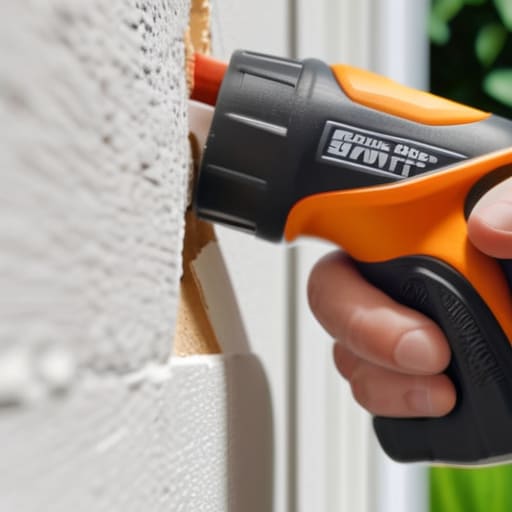
Think of your home’s exterior as the first line of defense in a tiny, high-stakes war. If you’ve got gaps in your siding or cracks in your foundation, you’re basically rolling out a red carpet for unwanted guests. I spent a whole weekend last summer sealing cracks and crevices in walls and around window frames because I was tired of seeing spiders treat my living room like a public park. Grab some high-quality caulk and a scraper; it’s a boring task, but it’s way easier than dealing with a full-blown infestation later.
While you’re out there, take a look at your yard—specifically anything that’s holding onto water. I’m talking about clogged gutters, old flower pots, or those random divots in the lawn. Eliminating standing water to prevent mosquitoes is a total game-changer for your sanity (and your sleep). If you leave those little puddles sitting around, you’re basically running a luxury resort for bugs. Keep things dry, keep things moving, and keep your perimeter tight.
Sealing Cracks and Crevices in Walls for Instant Peace
If you’ve ever been chilling on your sofa only to feel that tiny, frantic skittering sensation against your ankle, you know the pure panic I’m talking about. Most people think they have a “bug problem,” but usually, they just have a “hole problem.” Sealing cracks and crevices in walls is honestly the closest thing to a magic wand for your sanity. I’m talking about those microscopic gaps around baseboards, where pipes enter the wall under the sink, or even those tiny fissures in the drywall that you barely notice until something with too many legs decides to move in.
Grab a tube of caulk and a cheap scraper—don’t overthink it. I’ve learned the hard way that if you can see light through a gap, a cockroach or an ant definitely can too. Focus on the high-traffic zones like the kitchen and bathroom first. It’s a low-effort, high-reward DIY that keeps your space feeling like your sanctuary rather than a shared habitat. Once those entry points are plugged, you’re no longer playing defense; you’re actually setting some boundaries.
Stop Leaving the Buffet Open: Kitchen Habits That Actually Work
- Stop letting your crumbs turn into an all-you-can-eat event; keep your counters bone-dry and clear of any rogue snacks before you hit the pillow.
- Ditch the cardboard boxes—they’re basically luxury condos for roaches—and switch to airtight glass or plastic containers so your pantry stays a no-fly zone.
- Don’t let the trash situation get out of hand; if your bin is leaking or smelling like a landfill, you’re basically sending out a giant “Welcome” sign to every bug in the neighborhood.
The TL;DR on Keeping Your Space Bug-Free
Don’t wait for a full-blown infestation to act; treat pest prevention like a regular maintenance task, like doing your laundry or checking your bank account.
Focus on the “entry points” first—sealing gaps and managing your trash is way more effective (and cheaper) than trying to fight a war once they’re already inside.
Reclaiming Your Space
Look, I know that staring at a tiny crack in the baseboard or checking your window screens feels like just another item on an endless to-do list. But between sealing those exterior gaps, patching up the walls, and keeping your kitchen crumbs in check, you’re doing the heavy lifting. It’s not about being a perfect homeowner; it’s about strategic maintenance. By taking these small, annoying steps now, you’re essentially building a fortress that keeps the uninvited guests out, saving you from the absolute chaos of a full-blown infestation later.
At the end of the day, your home should be your sanctuary, not a battlefield where you’re constantly playing defense against ants or spiders. Adulting is hard enough without having to share your living room with pests. Take it one small fix at a time, grab your multi-tool, and reclaim your peace of mind. You’ve totally got this, and your future, bug-free self will definitely thank you for it.
Frequently Asked Questions
I’ve already sealed my windows, but what do I do about those tiny gaps under the kitchen cabinets where I keep seeing bugs?
Ugh, the cabinet gap struggle is real. Since those bugs are basically living in your pantry now, you need to shut them down. Grab some silicone caulk—it’s way more flexible than the stiff stuff, so it won’t crack when you bump the cabinets. Run a bead along that baseboard gap to seal them out. If the gap is huge, stuff some steel wool in there first to block the path, then caulk over it.
Are there any natural, non-toxic ways to keep pests away that won't mess with my pets or my indoor plants?
Look, I get it. You don’t want to turn your apartment into a chemical warfare zone just because a few ants showed up. Since I’m basically running a tiny ecosystem of houseplants and a very curious cat, I stick to the basics: peppermint oil and white vinegar. A diluted vinegar spray wipes out scent trails, and peppermint oil on cotton balls is a total deterrent. Just double-check the plant labels first—some oils can be finicky!