
I still remember sitting on the floor of my first studio apartment, surrounded by a mountain of half-taped cardboard boxes and feeling like I was about to have a full-blown breakdown. I had spent way too much money on “professional” packing kits that were basically just overpriced cardboard, only to realize I still couldn’t find my damn coffee maker or a single towel when the sun went down. Most of the moving tips you see online are either written by people who have a massive budget to burn or by companies just trying to sell you more bubble wrap. Honestly? Most of it is total noise that ignores the actual chaos of trying to transition your life into a new space.
I’m not here to tell you to buy a specialized moving machine or hire a fleet of assistants. Instead, I’m giving you the actual, unglamorous hacks I’ve learned from years of living in tiny spaces and doing the heavy lifting myself. We’re going to focus on the small, actionable wins—like how to pack for sanity rather than just efficiency—so you can get settled without feeling like you’ve completely lost your mind. Consider this your no-nonsense survival guide to getting from point A to point B without the usual meltdown.
Mastering Your Relocation Planning Timeline Without the Panic
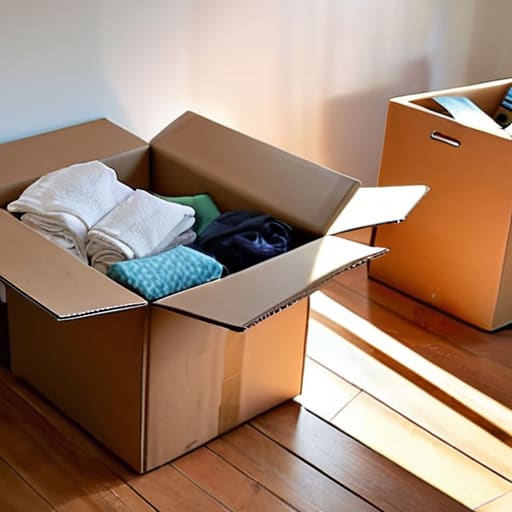
The biggest mistake I see people make is treating moving like a weekend project rather than a full-scale operation. If you wait until the week before to start, you’re basically inviting a meltdown. You need a solid relocation planning timeline that starts way earlier than you think. I’m talking at least six to eight weeks out. Start by tackling the heavy lifting—specifically decluttering before moving. Seriously, do not pay someone to move a box of old college textbooks or kitchen gadgets you haven’t touched since 2019. If you haven’t used it in a year, it doesn’t deserve a spot in your new place.
Once you’ve trimmed the fat, start mapping out your logistics in phases. Dedicate one week solely to sourcing your packing supplies essentials—get more tape than you think you need, trust me—and another week to finalizing your help. Whether you’re DIY-ing with a rented truck or looking through a moving company hiring guide to find pros, getting these dates locked in early is what keeps the “crisis mode” at bay.
The Ultimate Decluttering Before Moving Strategy to Save Space
Look, I get it. Staring at a mountain of stuff you’ve accumulated over the last three years feels less like “organizing” and more like a personal attack. But here is the reality: every single item you decide not to move is one less box you have to carry, tape up, and eventually unpack in a tiny new apartment. My golden rule for decluttering before moving is the “One-Year/One-Joy” test. If you haven’t worn that oversized sweater since 2022 or if that kitchen gadget only exists to take up counter space, it’s time to let it go. Donate it, sell it, or toss it—just don’t pay a moving crew to transport your clutter to a new zip code.
Once you’ve narrowed down your inventory, don’t just toss everything into random trash bags. Group your “keep” items by category so you can grab your packing supplies essentials—like uniform boxes and quality tape—and actually make progress. I like to use the “Three-Pile Method”: Keep, Donate, and Trash. This keeps the momentum going and prevents that mid-afternoon slump where you end up just sitting on the floor scrolling through TikTok. Treat your decluttering like a strategic mission, not a chore, and your future self will thank you when you aren’t tripping over random junk in your new living room.
The "Survival Kit" Strategy: Packing for Your Future Self
- Pack a “Day One” bag that stays with you in your car, not the moving truck. I’m talking about the absolute essentials: a change of clothes, your chargers, basic toiletries, a roll of TP, and whatever meds you can’t live without. Trust me, you do not want to be digging through thirty taped-up boxes at 11 PM just to find your toothbrush.
- Label your boxes by “Zone” and “Priority” rather than just “Kitchen” or “Bedroom.” Instead of just writing Kitchen, write Kitchen: Coffee Maker & Daily Mugs (High Priority). It sounds extra, but it’s the difference between having a functional morning in your new place or staring blankly at a pile of cardboard while your caffeine headache sets in.
- Use your soft goods as free padding to save your budget (and the planet). Don’t waste money on massive amounts of bubble wrap when you can wrap your fragile thrifted ceramics in your thickest sweaters or hoodies. It saves space in the box, protects your stuff, and means you have fewer things to unpack later.
The "Too Tired to Function" Cheat Sheet
Pack a dedicated “Day One” essentials box—think chargers, basic toiletries, a change of clothes, and your coffee maker—so you aren’t tearing apart taped-up cardboard just to find a toothbrush at midnight.
Don’t try to be a hero with your budget; prioritize spending on the heavy lifting (like movers or a truck rental) so you don’t end up with a literal and metaphorical backache on moving day.
The Finish Line is in Sight
Look, moving is objectively a lot, but it doesn’t have to be a total identity crisis. By sticking to a realistic timeline, tackling the decluttering phase before you even touch a roll of tape, and keeping your essentials close at hand, you’ve already done the hardest part. Remember, the goal isn’t to have a Pinterest-perfect transition; it’s about managing your energy so you don’t end up staring at a pile of cardboard boxes feeling completely defeated. You’ve built a solid foundation for a much smoother move.
Once the last box is taped shut and you’re finally sitting on your new floor with a slice of pizza, take a second to breathe. You did it. Moving is one of those major life milestones that tests your patience and your ability to problem-solve on the fly, but you’re coming out the other side with a fresh start. Don’t forget to be kind to yourself during the transition—progress over perfection is the only way to survive the chaos of a new chapter.
Frequently Asked Questions
How do I actually pack my kitchen without everything shattering or me losing my mind?
The kitchen is easily the most stressful room to pack, but don’t let it break you (literally). First, ditch the thin paper towels; use your dish towels or even clean t-shirts to wrap plates and bowls—it saves space and adds extra cushioning. For the fragile stuff, pack plates vertically like vinyl records rather than stacking them flat. It’s way more shock-absorbent. Also, grab a small box for “Day One” essentials: your coffee maker, two mugs, and a sharp knife. You’ll thank me when you’re not hunting through twenty boxes just to make breakfast.
What’s the best way to keep track of all these random boxes so I'm not wandering around my new place like a lost tourist?
The “lost tourist” vibe is real, and honestly, it’s the worst part of moving day. My hack? Color-coded tape and a “Room Manifest.” Assign each room a specific color of painter’s tape—blue for the kitchen, yellow for the bedroom—and slap it on every box. Then, keep a running note on your phone of what’s in each box number. It turns a chaotic pile of cardboard into a searchable database so you aren’t hunting for your coffee maker at 7 AM.