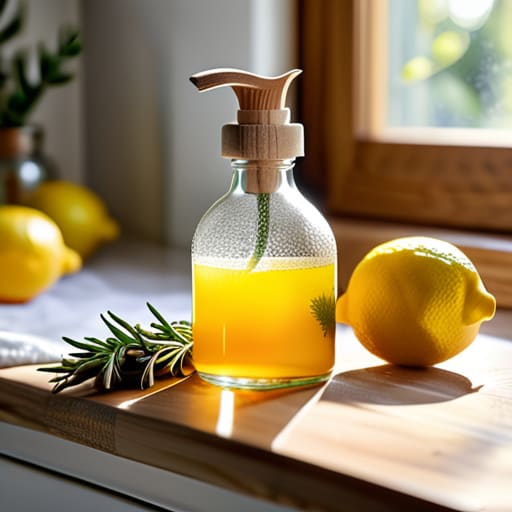
I used to think that having a “clean” apartment meant owning a literal army of neon-colored bottles, each with a hyper-specific label and a price tag that made my eyes water. Honestly, the marketing behind modern cleaners is such a scam; they want you to believe you need a specialized chemical cocktail just to wipe down a coffee table. I spent way too many years overpaying for fancy scents and plastic packaging when the truth is, most of those diy cleaning products people obsess over on Pinterest are actually just overpriced vinegar and water.
I’m not here to give you a list of twenty-step rituals that require ingredients you can’t find at a regular grocery store. Instead, I’m sharing the low-lift, high-impact recipes that actually work—the ones I use in my own tiny kitchen to keep things functional without losing my mind. We’re going to skip the aesthetic fluff and focus on a few versatile staples that will save you money and reclaim your sanity one spray bottle at a time.
Safe Cleaning for Pets and Kids Without the Stress
If you have a toddler who thinks the floor is a buffet or a dog that treats your rug like a personal chew toy, the last thing you want to do is spray a cloud of harsh chemicals into the air. I used to stress about this constantly, but honestly, switching to non-toxic household cleaners is one of the easiest ways to lower your baseline anxiety. You don’t need a chemistry degree or a massive budget to keep things sanitary; you just need to know which ingredients are actually safe for the little ones (and the furry ones) to encounter.
I’ve found that leaning into vinegar and baking soda cleaning methods is a total game-changer for peace of mind. They are basically the heavy hitters of the DIY world, and they won’t leave behind a film of mystery toxins. If you want to level up the vibe, you can add a drop or two of essential oils for cleaning, like lavender or lemon, to give your space a fresh scent without the synthetic headache. It’s all about making your home a sanctuary, not a hazard zone.
Cost Effective Cleaning Solutions That Actually Save You Time
Look, I get it. Walking down the cleaning aisle at the grocery store feels like a trap designed to drain your bank account. You see these “specialized” sprays for every single surface—glass, granite, wood, floor—and suddenly you’re dropping forty bucks just to keep your apartment from looking like a disaster zone. But here’s the truth: most of those expensive bottles are just overpriced water and fragrance. By switching to cost-effective cleaning solutions like white vinegar and baking soda, you aren’t just saving money; you’re actually cutting down on the mental clutter of managing a dozen different plastic bottles.
The real hack is keeping a “power duo” on hand. Instead of hunting for a specific product every time you spill something, grab a spray bottle and mix distilled vinegar with water. It’s the ultimate multitasker for windows, mirrors, and countertops. If you want to level up the vibe (and hide that sharp vinegar scent), toss in a few drops of essential oils for cleaning, like lemon or eucalyptus. It makes your place smell like a high-end spa rather than a salad dressing factory, and it costs pennies compared to those boutique brands.
My Low-Lift, High-Reward Cleaning Essentials
- Ditch the overpriced glass cleaners and just grab some white vinegar and water. I keep a 50/50 mix in a spray bottle for mirrors and windows—it dries super fast without those annoying streaks, and it costs basically nothing.
- If you’ve got a stubborn grime situation in the kitchen, don’t go hunting for heavy-duty chemicals. A little baking soda paste works like a charm on stovetops and sinks; just let it sit for ten minutes, scrub lightly, and you’re done.
- For that “everything smells like a hospital” vibe, skip the synthetic fragrances. I drop a few drops of lemon or eucalyptus essential oil into my DIY sprays to make the house feel fresh without making my head ache.
The TL;DR of Your New Cleaning Routine
You don’t need a cabinet full of specialized chemicals to get things clean; most of the heavy lifting can be done with just a few pantry staples like vinegar, baking soda, and a bit of elbow grease.
Prioritize safety and your wallet by ditching the expensive, toxic sprays in favor of DIY versions that are kinder to your pets, your kids, and your monthly budget.
The Bottom Line
At the end of the day, switching to DIY cleaners isn’t about achieving some impossible, Pinterest-perfect level of cleanliness. It’s about realizing that you don’t need a chemistry degree or a massive grocery budget to keep your space feeling fresh. By ditching the harsh toxins for pet-safe ingredients and swapping overpriced specialty sprays for simple pantry staples, you’re essentially reclaiming your time and your peace of mind. You’ve got the recipes, you know the safety hacks, and most importantly, you know that you don’t need to spend a fortune to maintain a home that feels like a sanctuary.
Look, adulting is hard enough without feeling like you’re constantly fighting a losing battle against clutter and chemical smells. If your first attempt at a vinegar spray smells a little too much like a salad dressing, don’t sweat it—it’s all part of the learning curve. The goal here is progress, not perfection. Start small, trust your instincts, and remember that small, intentional shifts are what actually stop the chaos. You’ve totally got this, and your wallet (and your lungs) will definitely thank you.
Frequently Asked Questions
Will these homemade mixtures actually kill germs, or am I just spraying scented water on my counters?
Look, I get it. I used to think I was just making expensive-smelling vinegar water, too. Here’s the reality: DIY cleaners are amazing for removing grime, grease, and daily messes, but they aren’t medical-grade disinfectants. If you’ve got a nasty stomach bug or raw chicken juice on the counter, use a store-bought disinfectant. For everything else—daily spills, dust, and general gunk—these homemade mixes are more than enough to keep your space feeling fresh and clean.
Are there any specific DIY ingredients I should absolutely never mix together?
Look, I love a good hack, but please don’t go playing mad scientist in your kitchen. Mixing the wrong stuff can actually create toxic fumes that are no joke. Never, ever mix bleach with ammonia or vinegar—it’s a recipe for dangerous gases. Also, keep hydrogen peroxide and vinegar in separate bottles; mixing them creates peracetic acid, which is super irritating. Stick to the basics, keep your ingredients separate, and keep your lungs happy.