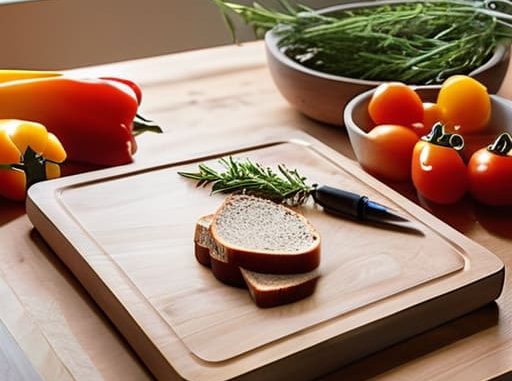
Can we please stop pretending that learning how to meal plan requires a color-coded spreadsheet, a $200 grocery haul of organic microgreens, and five hours of your precious Sunday? I used to think that if I wasn’t prepping thirty identical Tupperware containers of steamed kale by noon, I was failing at adulting. But honestly? That’s not a lifestyle; it’s a full-time job that nobody actually signed up for.
I’m not here to sell you on some aesthetic, Pinterest-perfect fantasy that falls apart the second you have a late meeting or a bad mood. Instead, I’m going to show you my actual, messy, budget-friendly way to navigate the week without the constant decision fatigue. We’re going to talk about realistic strategies that actually fit into a chaotic life, so you can stop treating dinner like a 5 PM emergency and finally reclaim your sanity.
Batch Cooking Strategies for the Chronically Overwhelmed
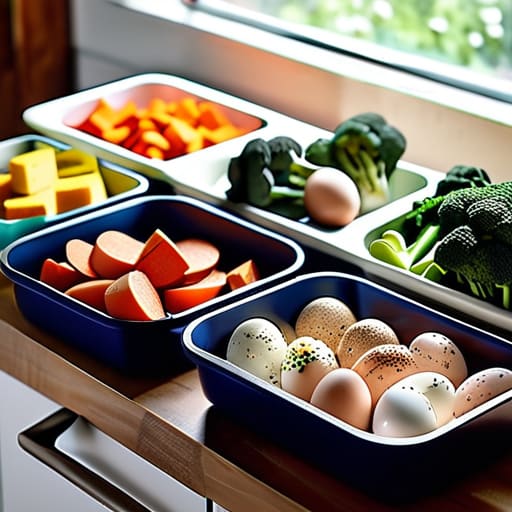
If you’re anything like me, the idea of spending five hours on a Sunday standing over a steaming pot feels less like “being productive” and more like a punishment. The secret isn’t cooking entire meals; it’s about component cooking. Instead of making three different heavy casseroles, just roast two sheet pans of veggies, boil a massive pot of grains, and prep two different proteins. When Tuesday rolls around and you’re exhausted, you aren’t “cooking”—you’re just assembling. It’s one of those time saving kitchen hacks that actually lets you eat something decent without the mental load of a full recipe.
Don’t try to go full Gordon Ramsay on your first go, either. If you’re looking into meal prep for beginners, start with “modular” ingredients that play well together. Think about how a batch of seasoned black beans can become a taco bowl on Monday and a hearty salad on Wednesday. This approach keeps things from feeling repetitive and, more importantly, keeps your fridge from becoming a graveyard of Tupperware filled with the exact same lukewarm pasta.
Budget Friendly Meal Planning to Save Your Sanity
Let’s be real: most of us aren’t meal planning because we’re trying to become gourmet chefs; we’re doing it because we’re tired of seeing our bank accounts bleed out every time we hit the drive-thru. If you want to master budget friendly meal planning, you have to stop shopping by “vibes” and start shopping by inventory. Before you even touch a grocery app, look in your pantry. That half-bag of lentils or the random jar of marinara isn’t just clutter—it’s a free meal waiting to happen. Building your menu around what you already own is the fastest way to stop wasting money on ingredients that just end up rotting in the crisper drawer.
Once you actually know what you need, the real secret weapon is grocery list organization. Don’t just scribble a random list on a sticky note; group your items by the layout of your store. If you’re wandering aimlessly between the produce aisle and the frozen section three different times, you’re going to get distracted by impulse buys and overpriced snacks. By sticking to a structured list, you’re not just saving time—you’re essentially bulletproofing your budget against those “just one more thing” moments that turn a $40 trip into an $80 disaster.
Three Ways to Stop the 5 PM Panic
- Shop your pantry before you hit the store. Seriously, go on a deep dive into your cabinets right now. You probably have three boxes of pasta and a jar of marinara hiding in the back that could form a meal. If you buy stuff you already own just because it’s “on sale,” you’re not saving money; you’re just playing Tetris with your grocery budget.
- Build a “Capsule Menu.” I’m not talking about a strict diet; I mean having 5-7 go-to meals that you can cook with your eyes closed. When you’re exhausted and your brain is fried, you don’t want to “get creative.” You want the roasted sheet-pan veggies and sausage that takes ten minutes of prep and zero mental energy.
- Don’t aim for perfection, aim for “good enough.” If your meal plan says “Lemon Herb Salmon” on Tuesday but you end up eating cereal because you had a meltdown at work, let it go. A meal plan is a roadmap, not a prison sentence. If it’s too rigid, you’re just going to abandon it by Wednesday.
The TL;DR for Your Sanity
Stop aiming for Pinterest-perfect meal prep; even just picking three core ingredients to use in different ways throughout the week is a massive win for your brain and your wallet.
Treat your meal plan as a living document, not a rigid set of rules—if you’re too exhausted to cook what you planned, grab a rotisserie chicken and call it a day instead of letting the “failure” spiral into a takeout binge.
The Low-Stakes Wrap Up
Look, we’ve covered a lot of ground, from mastering batch cooking so you aren’t cooking every single night to keeping your grocery bill from spiraling out of control. Whether you’re prepping massive portions of grains to stretch through the week or just being intentional about what’s actually in your pantry, the goal isn’t perfection—it’s reducing the decision fatigue that hits you at 6 PM. You don’t need a color-coded spreadsheet or a professional chef’s pantry to make this work; you just need a realistic plan that fits into your actual, messy life.
At the end of the day, meal planning isn’t another chore to add to your never-ending to-do list; it’s a gift you give your future, exhausted self. Some weeks you’ll nail it, and some weeks you’ll end up eating cereal for dinner straight out of the box, and that is totally fine. Don’t let the pursuit of “organized living” turn into a source of stress. Just take one small step this week, and remember that you’re doing better than you think.
Frequently Asked Questions
I’m already overwhelmed—how do I actually start a meal plan without it turning into a three-hour project on my only day off?
Look, if you try to plan twenty-one individual meals on a Sunday, you’re going to burn out by Tuesday. Don’t do that. Instead, just pick three “anchor” proteins and two versatile grains. That’s it. If you prep a big batch of roasted chicken and some quinoa, you can pivot to tacos, salads, or grain bowls all week without a single new recipe. Aim for flexibility, not perfection. Keep it low-stakes so you actually stick to it.
What do I do if I plan everything out but then end up craving something completely different halfway through the week?
Honestly, I’ve been there. You plan for kale salads and then suddenly, it’s Wednesday and all you want is a grilled cheese. Don’t scrap the whole plan; just build in a “Chaos Buffer.” Always keep two or three “emergency” pantry staples—like pasta, jarred sauce, or frozen dumplings—on hand. It’s not a failure to deviate; it’s just pivoting. Treat your meal plan as a guide, not a legal contract.