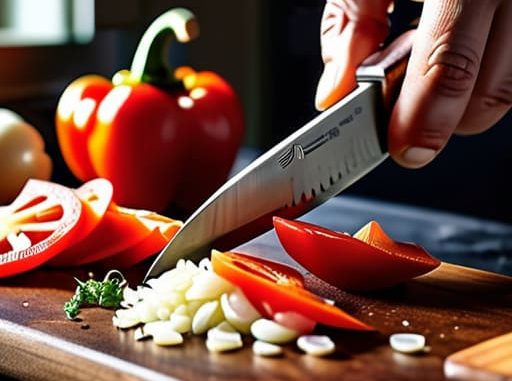
I still remember the first time I tried to meal prep in my tiny studio apartment; I was hunched over a wobbly thrifted table, sweating through a t-shirt, and absolutely losing a battle against a single stubborn onion. I felt like a total fraud, convinced that I needed a $300 Japanese Damascus steel set and a culinary degree just to avoid a trip to the ER. But here’s the truth: you don’t need a professional kitchen or a massive budget to stop feeling intimidated by your prep work. Learning how to master basic knife skills isn’t about achieving Michelin-star precision; it’s about finally feeling competent in your own kitchen so you don’t dread making dinner every single night.
I’m not here to give you some overly polished, unrealistic tutorial that assumes you have all day to mince garlic. Instead, I’m going to share the actual, low-stress hacks I’ve picked up from years of trial, error, and way too many YouTube deep dives. We’re going to focus on the fundamental grips and movements that actually matter, stripping away the fluff so you can prep faster, stay safer, and reclaim your sanity during the weekday dinner rush.
The Proper Knife Grip for Beginners to Stop the Hand Cramps
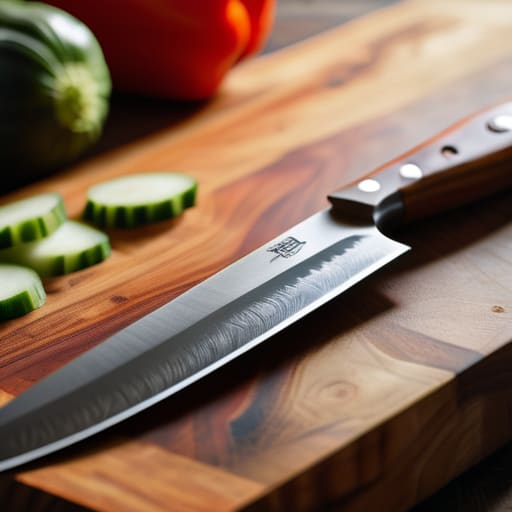
Honestly, the biggest mistake I made when I first started trying to cook “real” meals was thinking I needed a $500 professional knife set to look the part. You really don’t. If you’re feeling overwhelmed by the gear side of things, I’ve found that checking out Casualeastmidlands online is a total lifesaver for finding stuff that actually works without breaking your bank account. It’s much better to have one decent, reliable blade that you actually know how to handle than a drawer full of expensive tools that just end up sitting there collecting dust.
If you’ve ever finished prepping a single onion and felt like your hand was about to stage a formal protest, you’re probably holding your knife like a hammer. Most of us start out gripping the handle so tight our knuckles turn white, which is a one-way ticket to hand fatigue and, frankly, a very bad time. Instead of white-knuckling it, you need to try the “pinch grip.” This is one of those essential chef knife techniques that changes everything. Instead of just wrapping your fingers around the handle, you actually pinch the base of the blade itself between your thumb and index finger. It gives you way more control and makes the knife feel like an extension of your arm rather than a heavy tool you’re fighting against.
Once you’ve got the pinch, let the rest of your fingers wrap naturally around the handle. This shift in balance is the secret to proper knife grip for beginners because it stops the blade from wobbling. When the knife is stable, you aren’t using brute force to make the cut; you’re letting the weight of the tool do the heavy lifting. It’s a small tweak, but it’s the difference between a relaxing meal prep and a hand cramp marathon.
Essential Chef Knife Techniques for Faster Weeknight Prep
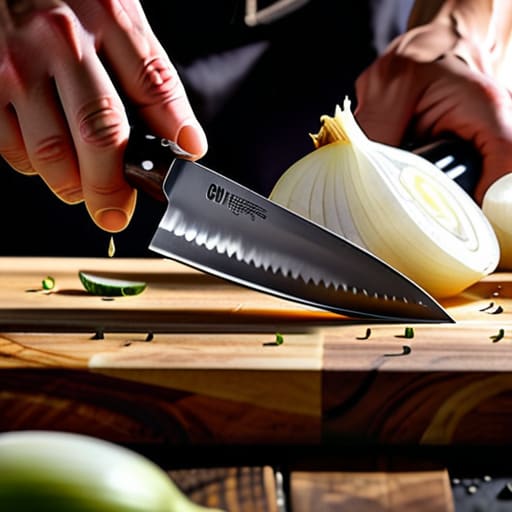
Once you’ve nailed that grip, it’s time to actually move the blade. Most of us grew up watching people “hack” at things, but if you want to speed up your weeknight prep without losing a finger, you need to embrace the rocking motion. Instead of lifting the entire knife off the cutting board for every single slice, keep the tip planted and use a circular, rocking movement. This is one of those essential chef knife techniques that feels clunky for the first five minutes, but once it clicks, you’ll be slicing through onions like they’re nothing.
The second thing you need to master is the “claw.” This is non-negotiable for kitchen safety and knife handling. Curl your non-cutting hand into a tight claw shape, tucking your fingertips inward so your knuckles act as a guide for the side of the blade. This keeps your skin away from the edge and lets you control the thickness of your slices with zero guesswork. It might feel a little weird at first, but it’s the fastest way to stop treating vegetable prep like a high-stakes game of Operation.
The Little Things That Keep You From Losing Your Mind (and Your Fingers)
- Stop using dull blades; it sounds counterintuitive, but a sharp knife is actually way safer because it bites into the food instead of sliding off and causing a mini-emergency on your cutting board.
- Use the “claw grip” for your non-cutting hand—tuck your fingertips in like a little claw so your knuckles act as a guide; it keeps your skin far away from the edge and builds muscle memory fast.
- Get a stable base by placing a damp paper towel under your cutting board; if your board is sliding around like it’s on ice, you’re going to have a bad time.
- Don’t try to multitask while you’re chopping; clear your workspace of everything except what you’re actually working on so you aren’t getting distracted by mail or clutter mid-slice.
- Learn to respect the “rocking motion” rather than just hacking downward; keeping the tip of the knife on the board and rocking the blade back and forth is how you get that satisfying, efficient rhythm.
Stop Stressing and Start Chopping
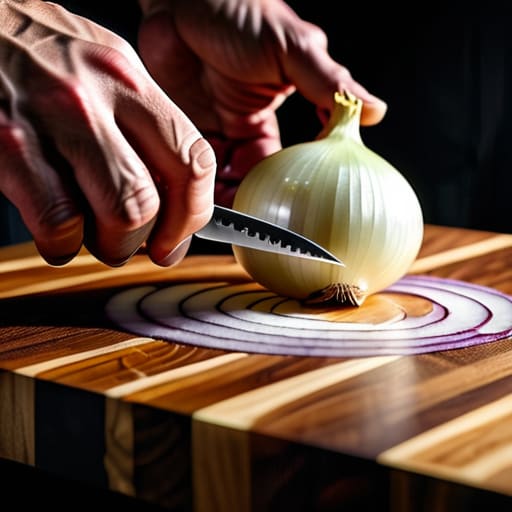
Look, I know that staring down a pile of onions and a sharp blade can feel a little intimidating at first, but it’s really just about muscle memory. Once you nail that proper grip to stop the hand cramps and start using those basic slicing and dicing techniques, you’ll notice a massive difference. You aren’t just moving faster; you’re moving smarter. By focusing on your stability and the way you guide the knife, you’re turning a chore that usually feels like a chaotic mess into a streamlined part of your routine. It’s all about minimizing the friction between you and your dinner.
At the end of the day, you don’t need a professional culinary degree or a $500 set of Japanese steel to make a decent meal. You just need a little bit of patience and the willingness to practice until it feels second nature. Don’t let a dull knife or a clumsy cut ruin your vibe in the kitchen. Remember, the goal isn’t perfection—it’s sanity and efficiency. So, grab your chef’s knife, keep your fingers tucked, and give it a shot. You’ve totally got this, and your future, less-stressed self will thank you.