
I used to think that “adulting” meant buying those expensive, designer pendant lights you see on Pinterest, but let’s be real: most of those high-end setups are a total scam for anyone living in a real-world apartment. I spent way too much money early on trying to follow generic home lighting tips that suggested I needed a professional electrician just to make my living room feel cozy. In reality, I was just sitting under a single, aggressive ceiling light that made my place look like a sterile hospital hallway instead of a home.
I’m not here to sell you on a massive renovation or a budget-breaking shopping spree. Instead, I’m going to share the low-effort, high-impact ways I actually fixed my space using layers, warm tones, and a few thrifted finds. These are the no-nonsense hacks that will help you kill the chaos and finally create a vibe that doesn’t feel like a constant state of crisis.
Mastering Layered Lighting Techniques for a Stress Free Vibe
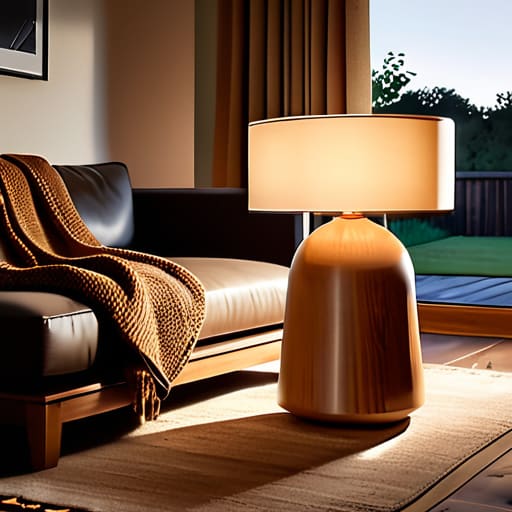
If you’re still relying on that one massive, soul-sucking overhead light to do all the heavy lifting, we need to talk. To actually make a room feel cozy rather than clinical, you have to embrace layered lighting techniques. Think of it like building an outfit; you wouldn’t just wear a heavy coat and nothing else, right? You need different “layers” of light to create depth. I like to start with ambient lighting solutions—basically a soft, base layer that fills the room—and then build on top of it.
Once you have your base, you need to get specific. This is where task lighting for workspaces comes in. If you’re trying to answer emails at a cluttered desk, a dedicated lamp is a lifesaver for your eyes (and your sanity). To finish the look, sprinkle in some accent lighting for decor—maybe a small spotlight on a thrifted vase or a strip of LEDs behind your monitor. It’s these tiny, intentional additions that turn a generic apartment into a space that actually feels like home.
Choosing Warm vs Cool Light Temperature Without the Headache
Look, I spent way too many years living under a single, buzzing fluorescent bulb that made my apartment feel like a high-security prison. It’s a total vibe killer. When you’re navigating the whole warm vs cool light temperature debate, the easiest way to not lose your mind is to match the light to the “energy” of the room. For your living room or bedroom, you want those warm, amber tones—think 2700K. It mimics sunset and tells your brain it’s actually okay to stop scrolling and relax.
On the flip side, if you’re trying to actually get things done at your desk without feeling like a zombie, you need something crisp. This is where task lighting for workspaces comes in. Aim for a cooler, whiter light (around 4000K) in your office or kitchen prep area; it keeps you alert and prevents that mid-afternoon brain fog. Just don’t go overboard with the blue tones in your cozy spaces, or you’ll end up feeling like you’re working a night shift in a hospital.
Three Low-Effort Hacks to Stop Living in a Fluorescent Nightmare
- Stop relying on that one big, scary overhead light. It’s basically the lighting equivalent of a spotlight in an interrogation room. Instead, grab a couple of cheap floor lamps or even some thrifted table lamps to spread the light around. It fills the shadows and makes your space feel way more intentional and way less “dentist’s waiting room.”
- Get smart with your switches. If you’re still manually flipping every single lamp every night, you’re working too hard. I swear by smart plugs or dimmers; being able to dim the whole living room from my phone while I’m already halfway under my duvet is the kind of tiny luxury that actually saves my sanity.
- Don’t sleep on mirrors. If you have a corner that feels particularly dark or depressing, don’t just buy another lamp—move a mirror. Placing a mirror opposite a window or a lamp bounces that light around the room, making the whole place feel bigger and brighter without you having to spend a dime on extra electricity.
The TL;DR on Not Living in a Cave
Stop relying on that one big, aggressive overhead light; instead, mix task lamps, floor lamps, and string lights to create layers that actually let your brain relax.
Stick to “warm” bulbs (around 2700K) for your living spaces so you don’t feel like you’re working in a sterile hospital wing every time you sit down to chill.
The Light at the End of the Tunnel
Look, we’ve covered a lot of ground, from ditching those soul-crushing overhead lights to finally figuring out the difference between warm and cool tones. At the end of the day, lighting isn’t just about seeing where you’re walking; it’s about curating your environment so you don’t feel like you’re living in a sterile hospital wing or a dark cave. Start small—grab a couple of warm lamps, layer your light sources, and stop letting your lighting dictate your mood. It’s one of those low-effort, high-reward hacks that actually makes a difference in how your home feels when you finally kick off your shoes at 6:00 PM.
If you’re feeling overwhelmed by all the options at the hardware store, just remember: you don’t need a professional designer or a massive budget to get this right. You just need to listen to what your space actually needs to feel like home. Adulting is hard enough without your living room feeling like a chaotic mess of shadows and glare. Take it one bulb at a time, trust your gut, and build a vibe that actually supports you. You’ve got this.
Frequently Asked Questions
How do I pick the right brightness (lumens) for a small room without making it feel like a hospital ward?
The “hospital ward” vibe usually happens because you’re relying on one giant, high-lumen bulb that blasts everything at once. For a small room, don’t aim for one massive number. Instead, think in increments. Aim for about 20 lumens per square foot, but split that across a desk lamp, a floor lamp, and maybe some fairy lights. It’s way better to have three low-lumen sources than one blinding light that kills the mood.
I’m on a tight budget—are there any cheap DIY ways to upgrade my lighting without calling an electrician?
Look, I get it—calling an electrician is basically a down payment on a used car, and we don’t have that kind of budget. Honestly? Just go heavy on the plug-ins. Grab some affordable smart bulbs or battery-operated puck lights to hide under cabinets or shelves. You can also thrift some cool vintage lamps and just swap the bulbs for warmer ones. It’s low-effort, zero wiring, and instantly fixes the vibe without the massive bill.