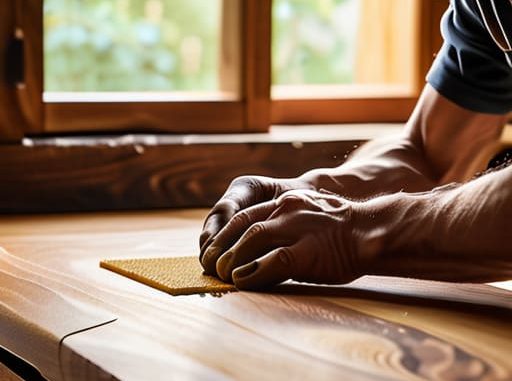
I was staring at my thrifted mid-century dresser last Tuesday, feeling that familiar, sinking sensation in my chest. A huge scratch had ripped through the wood grain, and for a split second, my brain went straight to the “I need to buy something new” panic. We’ve been conditioned to believe that once something is scuffed, dented, or wobbly, it’s basically trash. But honestly? That mindset is exactly why our apartments feel cluttered and our bank accounts feel empty. Learning how to repair furniture instead of replacing it isn’t about being a master carpenter; it’s about refusing to let a little wear and tear dictate your budget or your style.
If you ever find yourself staring at a piece of furniture that’s beyond a simple scratch or a loose screw, don’t panic—sometimes the best move is to reach out to someone who actually knows their way around a toolkit. I’ve learned the hard way that while YouTube is great, nothing beats getting real-time advice or even finding a local pro who can swing by. If you’re feeling stuck and just need to connect with people in your area to swap tips or find a hand, checking out a local chat in region can be a total lifesaver for finding those niche community resources. It’s honestly much easier to tackle these projects when you aren’t trying to figure everything out in total isolation.
I’m not here to sell you on some high-end, professional workshop setup or tell you to spend hundreds on specialized tools you’ll use once. My goal is to give you the actual, low-stress hacks I’ve used in my own tiny apartment to breathe life back into old pieces. We’re going to cover the small, actionable fixes—from hiding scratches to tightening loose joints—that actually work for real life. Consider this your permission slip to stop the cycle of mindless consumption and start feeling a little more capable.
Fixing Wobbly Chair Legs Without the Headache

We’ve all been there: you sit down for a quick coffee, and suddenly your favorite thrifted chair starts doing that nervous little dance on the floor. It’s annoying, but before you decide it’s trash, let’s talk about fixing wobbly chair legs without losing your mind. Most of the time, the culprit is just a dried-out glue joint that’s finally given up the ghost. You don’t need a workshop full of heavy machinery; you just need a screwdriver, some wood glue, and about twenty minutes of patience.
First, flip the chair over and check if the joints are actually loose or if the legs are just uneven. If it’s a loose joint, gently pull the pieces apart—don’t force them or you’ll snap something—and clean out the old, crusty glue. Applying fresh wood glue is the ultimate hack for sustainable furniture maintenance because it literally resets the structural integrity of the piece. Once it’s clamped down and dry, that chair will be sturdier than the one you just bought at IKEA. It’s a small win, but honestly, it feels amazing to save a piece of history from the landfill.
Quick Wood Scratch Repair Methods for Busy Humans
We’ve all been there: you’re moving a coffee table or maybe just being a little too aggressive with your keys, and suddenly there’s a glaring white streak across your favorite piece. Before you spiral into a “this is ruined” meltdown, take a breath. Most surface-level damage doesn’t actually require a full overhaul. For those shallow, annoying marks, one of my favorite wood scratch repair methods is the humble walnut trick. If you rub the meat of a raw walnut directly into the scratch, the natural oils seep in and help mask the discoloration almost instantly. It’s low-effort, high-reward, and perfect for when you don’t have the energy for a full project.
If the scratch is a bit deeper and looking a little more dramatic, grab a matching furniture repair marker or a bit of wax filler from the hardware store. It’s not quite the same as professional restoring antique wood furniture levels of precision, but it’s a total lifesaver for keeping things looking polished. Just remember to test a tiny, hidden spot first to make sure the color match isn’t wildly off. It’s all about those small wins that keep your space looking intentional rather than chaotic.
5 Low-Effort Fixes to Stop You From Hitting 'Add to Cart'
- Tighten those loose screws before you call it a lost cause. Most of the time, a wobbly drawer or a rattling table is just a screw that’s vibrated loose over time; grab your screwdriver and give it a quick turn.
- Use a little bit of wood glue and some clamps to fix those splitting seams. If a joint is starting to pull apart, don’t just ignore it—inject some glue into the crack, clamp it tight, and let it sit overnight to save the whole piece.
- Buff out those annoying surface scuffs with a walnut. If you don’t have fancy wood filler on hand, rubbing the meat of a walnut over a light scratch can actually work wonders to hide the damage.
- Level up your uneven surfaces with felt pads. If your table is rocking because of a slightly uneven floor, don’t go buying a new one—just stick some adhesive felt pads on the bottom of the legs to kill the wobble instantly.
- Re-glaze or touch up chipped paint with a tiny bit of acrylic paint. Instead of repainting the whole thing, just grab a small brush and some matching color to dab away those tiny nicks and imperfections.
The Bottom Line on Giving Your Gear a Second Life
Look, I know it’s tempting to just scroll through a furniture app and click “buy” when something starts looking a little rough around the edges. But between stabilizing those annoying wobbly legs and smoothing out those deep scratches, we’ve seen that most of these “disasters” are actually just minor inconveniences in disguise. You don’t need a degree in carpentry or a garage full of industrial power tools to make your space feel put together again. By tackling these small fixes—whether it’s a bit of wood filler or a quick tighten of a screw—you’re effectively stopping the cycle of mindless consumption and keeping your budget intact for things that actually matter.
At the end of the day, my goal isn’t to turn you into a master craftsman, but to help you realize that you are way more capable than you think. There is something weirdly empowering about fixing something with your own two hands instead of just tossing it in a landfill because it looked “broken.” It turns your home from a collection of replaceable items into a space that actually has a story. So, grab your multi-tool, take a deep breath, and give that piece a chance. You’ve totally got this, and your bank account will definitely thank you.