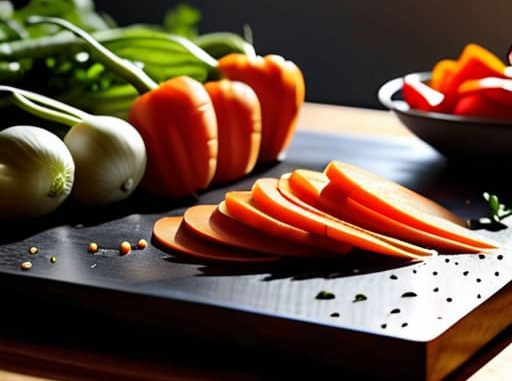
I used to think that “meal prepping” meant spending my entire Sunday afternoon in a kitchen-induced trance, surrounded by twenty identical Tupperware containers and a mountain of wilted kale. Honestly, the idea that you need a professional-grade knife set and a color-coded spreadsheet just to figure out how to prep vegetables is such a total scam. I spent way too many years feeling like a failure because I couldn’t turn my kitchen into a sterile laboratory, usually ending up with a pile of half-chopped onions and a massive sense of defeat.
Look, I’m not here to sell you on some unrealistic, aesthetic lifestyle that requires four hours of your life you’ll never get back. I’m going to show you the low-effort, high-reward ways to get your veggies ready so that dinner actually feels doable on a Tuesday night. We’re talking about the actual, messy, real-life methods that save your sanity without turning your kitchen into a disaster zone.
Mastering Knife Skills for Vegetables to Save Your Sanity
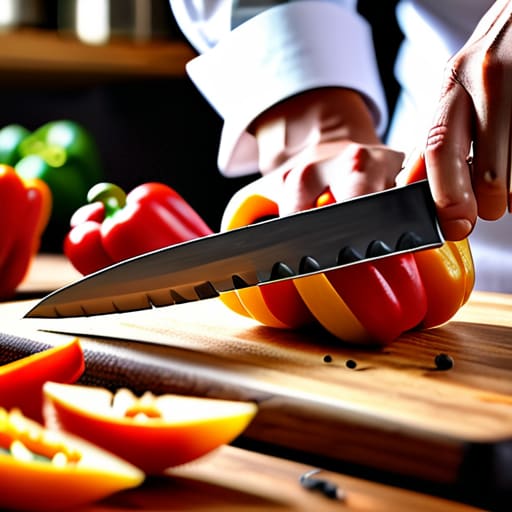
Look, I get it. Standing over a cutting board with a dull knife feels less like “culinary arts” and more like a high-stakes survival mission. But honestly, mastering basic knife skills for vegetables is the single biggest way to stop feeling overwhelmed in the kitchen. When you actually know how to hold a knife (the “pinch grip” is a literal game-changer) and how to stabilize your cutting board, you stop fighting the food and start actually moving through it.
Instead of aimlessly hacking away, focus on a few core vegetable cutting techniques like the dice or the julienne. It sounds fancy, but it’s really just about consistency. If your onions are all the same size, they’ll cook at the same rate, which means no more sad, crunchy bits in an otherwise perfect meal. Once you get into a rhythm, you’ll realize that being efficient isn’t about speed; it’s about not having to redo the work because everything ended up uneven.
Smart Storing Prepped Veggies So They Actually Stay Fresh
There is nothing more soul-crushing than spending an hour chopping everything up, only to pull out a container of slimy, translucent onions three days later. If you want to master storing prepped veggies, you have to treat them differently based on their “vibes.” For instance, leafy greens are total drama queens; they need a little bit of moisture but not a bath. I always line my containers with a dry paper towel to soak up excess humidity—it’s a tiny step that makes a massive difference in keeping them crisp.
For the harder stuff, like carrots or bell peppers, airtight glass containers are your best friend. If you’re just starting out with meal prep for beginners, don’t feel like you have to prep everything at once. I like to group my “hard” veggies (the ones that last a week) separately from my “soft” ones (the ones that die in forty-eight hours). This way, you aren’t wasting food, and you’re actually saving money instead of just creating more trash.
Three Tiny Hacks to Streamline Your Prep Routine
- Group your veggies by “vibe” before you even touch a knife. Instead of chopping random pieces as you go, pull all your carrots, peppers, and onions onto one cutting board. It sounds extra, but it stops that frantic back-and-forth dance between the fridge and the counter that makes prep feel like a chore.
- Invest in a decent mandoline or a microplane if you have the counter space. I used to think I needed to be a professional chef to get thin slices, but honestly? A good tool does the heavy lifting for you, and it saves me from the “hand fatigue” that usually hits halfway through a batch of radishes.
- Don’t be a perfectionist about the shapes. If you’re making a stir-fry or a stew, the veggies are going to get tossed in sauce and heat anyway—they don’t need to look like they belong in a Michelin-star photo. Aim for “roughly the same size” so they cook evenly, and call it a win.
The TL;DR on Not Losing Your Mind in the Kitchen
Don’t try to be a hero—prep only what you’ll actually eat in the next three days so you aren’t wasting money on wilted greens.
Invest in a few decent glass containers; it’s a small upfront cost that stops the “what is that mystery smell in my fridge” crisis later.
The Low-Stress Bottom Line
Look, I know that spending an hour on a Sunday hovering over a cutting board feels like a chore, but it’s honestly a gift to your future self. By sharpening those knife skills and actually investing in the right airtight containers, you’re doing more than just chopping carrots; you’re eliminating the decision fatigue that usually hits around 6:00 PM. When your veggies are already washed, chopped, and ready to go, you’re way less likely to succumb to the temptation of expensive, salty takeout. It’s all about building a system that works for your actual life, not some idealized version of it.
At the end of the day, don’t feel like you have to be a Michelin-star chef to get this right. If you only have ten minutes to prep one single cucumber, that is still a win. Adulting is messy, and your kitchen won’t always look like a Pinterest board, but these tiny, intentional habits are what keep the chaos at bay. You’ve got this—one vegetable at a time.
Frequently Asked Questions
Is it better to wash my veggies before or after I chop them to keep everything from getting mushy?
Wash them before you chop. Seriously, if you try to wash a pile of pre-cut veggies, you’re basically inviting a mushy disaster into your fridge. Water gets trapped in those little nooks and crannies, and suddenly your beautiful prep is just a soggy mess. Wash them, dry them well (a salad spinner is a lifesaver here), and then chop. It keeps everything crisp and actually makes them last longer in your containers.
How do I keep my prepped veggies from getting that weird, slimy texture by day three in the fridge?
Ugh, the dreaded veggie slime. I’ve been there, and it’s honestly the worst. The culprit is usually trapped moisture. If you’re prepping leafy greens or chopped veggies, stop putting them in airtight plastic containers immediately. Grab some glass jars or containers lined with a dry paper towel to soak up that excess humidity. Also, if you’re prepping things like cucumbers or zucchini, keep them separate—they’re basically water bombs and will ruin everything else.