I spent most of my early twenties living in a studio apartment so cramped that I practically had to step over my bed just to reach the kitchen. I remember sitting on the floor one Tuesday night, surrounded by half-unpacked boxes and feeling like the walls were literally closing in on me. It’s that specific, claustrophobic brand of stress that makes you feel like you’re losing your mind, especially when every “expert” tip online tells you that you need a massive renovation budget to fix it. I learned the hard way that figuring out how to make a small room look bigger isn’t about buying expensive designer furniture; it’s about outsmarting the layout.
I’m not here to sell you on some aesthetic, minimalist dream that requires you to live in a white box with zero personality. Instead, I’m sharing the actual, low-cost hacks I used to turn my tiny shoebox into a space that finally felt breathable and functional. We’re going to talk about lighting, clever storage, and a few visual tricks that actually work in real life—no professional decorator required.
Mastering Mirrors for Spatial Illusion and Light
If you take one thing away from this, let it be this: mirrors are basically cheat codes for your apartment. I used to think they were just for checking if my eyeliner was even, but once I started strategically placing them, everything changed. The trick is to position them directly opposite your windows. This is the easiest way of maximizing natural light in small spaces because the mirror catches those sunbeams and bounces them into the darker corners of the room. It’s like adding a second window without having to deal with a contractor.
Don’t feel like you need one massive, expensive floor mirror to make this work, either. I’m a huge fan of a gallery wall made of mismatched vintage mirrors—it adds character without feeling heavy. When you use mirrors for spatial illusion, you’re essentially tricking your brain into thinking there’s more depth than there actually is. Just avoid placing them in a way that reflects a cluttered corner or a pile of laundry; you want to reflect the good stuff, not your latest cleaning crisis.
Smart Vertical Storage Solutions to Reclaim Your Sanity
When you’re living in a space where every square inch feels like it’s fighting for its life, you have to stop looking at the floor and start looking at the walls. Most of us make the mistake of only thinking horizontally, but the real secret to reclaiming your sanity is leaning into vertical storage solutions. I’m talking about floating shelves that go all the way up to the ceiling or those heavy-duty pegboards that turn a blank wall into a functional command center. By moving your stuff upward, you clear out the visual noise on your floor, which is the fastest way to achieve that feeling of decluttering for spaciousness without actually throwing away your favorite things.
I’ve personally found that tall, narrow bookshelves are absolute lifesavers when you’re working with a tight footprint. Instead of a bulky, wide dresser that eats up your walking path, go for a tall armoire or a slim shelving unit. This draws the eye upward, creating an illusion of height that makes the ceiling feel way further away than it actually is. It’s all about maximizing your footprint without feeling like you’re living in a storage unit.
The "Less is More" Strategy (Without Living in a Void)
- Stop the clutter creep. I know, I know—we all have that one “junk chair” or a stack of books that’s slowly becoming a permanent resident, but visual noise is the ultimate space killer. If your eyes are constantly jumping from one random object to the next, your brain registers the room as “full.” Try the one-in, one-out rule: if you bring home a new thrifted vase, one old piece of decor has to go. Clearing the surfaces makes the floor plan feel intentional rather than accidental.
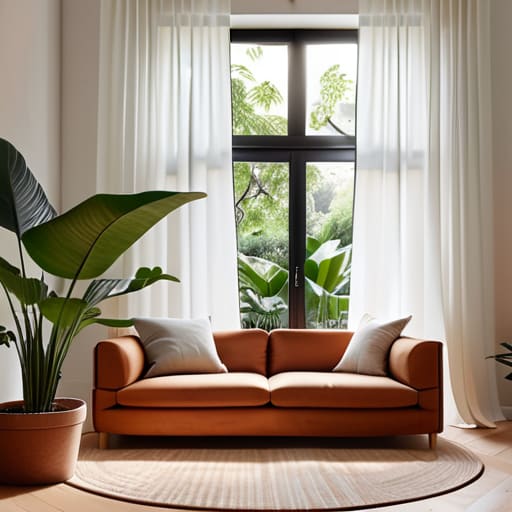
- Go easy on the heavy drapes. If you’ve got thick, dark velvet curtains blocking out every ounce of natural light, you’re basically shrinking your room in real-time. I switched to sheer, light-filtering linen fabrics, and it was a total game-changer. Letting the sunlight hit the corners of the room creates a sense of openness that heavy fabric just suffocates. Think airy, think bright, think “I can actually see the window.”
- Choose furniture with legs. This is one of those tiny hacks that feels like magic once you do it. When you buy a bulky sofa that sits flush against the floor, it acts like a giant visual block. Instead, look for pieces with tapered legs or a more elevated profile. Being able to see the floor extending underneath your coffee table or your bed tricks your brain into thinking there’s more square footage than there actually is. It’s all about that “breathable” floor space.
The TL;DR for Your Tiny Space
Stop fighting your square footage and start working with it—use mirrors to trick the eye and vertical storage to get your stuff off the floor.
Focus on light and line of sight; the less visual clutter you have blocking your view, the more room you actually have to breathe.
Making Your Space Work for You
At the end of the day, making a tiny room feel massive isn’t about a total renovation or buying a bunch of expensive furniture. It’s about being intentional with what you already have. By leveraging the magic of mirrors to bounce light around and finally utilizing your vertical real estate instead of letting floor space get cluttered, you’re essentially hacking your environment. Whether it’s through smart storage or playing with light, these small shifts turn a cramped corner into a functional sanctuary. Remember, the goal isn’t just to make the room look bigger; it’s to stop the visual noise so you can actually breathe.
I know that staring at a pile of stuff in a small apartment can feel totally overwhelming, like you’re constantly losing a battle against your own four walls. But please, don’t let your square footage dictate your mood. You don’t need a mansion to feel like you have room to grow. Take it one small hack at a time, and soon enough, you’ll realize that your space is working for you, not against you. You’ve got this.
Frequently Asked Questions
I love the storage tips, but what do I do if my room is so tiny that even "vertical storage" feels like it's going to swallow me whole?
I totally get it—sometimes “vertical storage” just feels like building a tower of doom that’s one wrong move away from crushing you. When you’re that cramped, stop thinking about adding stuff and start thinking about hiding it. Switch to low-profile, multi-functional pieces, like a bed frame with built-in drawers or an ottoman that doubles as a bin. If it doesn’t serve two purposes, it’s probably just taking up precious oxygen.
Does the color of my furniture actually matter, or am I wasting my time trying to match everything to the walls?
It definitely matters, but please stop stressing about a perfect match. If you try to make your furniture the exact same shade as your walls, everything just turns into a weird, blurry blob. Instead, aim for contrast. Light-colored furniture against a slightly darker wall creates depth, while dark pieces can actually ground a room if you balance them out. Think layers, not clones. You’re building a vibe, not a monochromatic prison.