
It’s 2:00 AM, you’re trying to sneak into the kitchen for a midnight snack without waking the house, and suddenly—SCREEECH. That piercing, high-pitched metal groan from your bedroom door sounds like a literal jump scare in a horror movie. I used to think that learning how to fix a squeaky door meant I’d have to call a handyman or spend a fortune on specialized hardware, but honestly? That’s just a massive waste of time and money.
I’m not here to give you a lecture on advanced carpentry or suggest you buy a whole new set of hinges. Instead, I’m going to show you how to silence that annoying noise using stuff you already have in your junk drawer or kitchen pantry. We’re talking quick, low-effort hacks that actually work so you can stop living in a house that sounds like it’s haunted and get back to your actual life.
Guide Overview
Tools & Supplies
- Screwdriver (to tighten loose hinge screws)
- Microfiber cloth (to wipe away excess lubricant)
- Lubricant (1 can of silicone spray or aerosol grease)
- Paper towels (1 roll for cleanup)
Step-by-Step Instructions
- 1. First, grab a screwdriver and pop those hinge pins out. You don’t need to take the whole door off the frame—that’s a recipe for a bruised toe—you just need to remove the metal pins that hold the hinges together. Just tap them upward from the bottom with something blunt (like the handle of your screwdriver) until they slide out.
- 2. Once you have the pins out, wipe them down with a paper towel. They’re probably covered in a layer of gross, old dust and dried-up grease that’s actually causing the friction. I like to use a little bit of rubbing alcohol if I’m feeling extra, but honestly, just getting the grit off is the main goal.
- 3. Now, pick your lubricant. If you have a can of WD-40 in your junk drawer, it’ll work for a quick fix, but if you want this to actually last, go grab some silicone spray or even a bit of lithium grease. If you’re in a total pinch and don’t want to run to the store, a tiny drop of cooking oil or even some Vaseline from the bathroom can do the trick in an emergency.
- 4. Apply your lubricant directly to the pin. You don’t need to go overboard here—just a light, even coating is plenty. If you use a spray, hold the can steady so you don’t accidentally coat your entire bedroom wall in a fine mist of chemicals.
- 5. Slide the pins back into the hinges and tap them down into place with your screwdriver handle. Once they’re seated, grab your door and swing it back and forth a few times to work the oil into the mechanism. You should hear that annoying screeching turn into a silky-smooth glide almost immediately.
- 6. If there’s any excess oil dripping down the hinge (which happens more often than you’d think), grab a rag and wipe it away immediately. You don’t want oil stains on your paint or, even worse, on your floor. It’s a small step, but it saves you a massive headache later when you’re trying to clean up.
The Quick Fix Using Household Items to Stop Door Squeaks
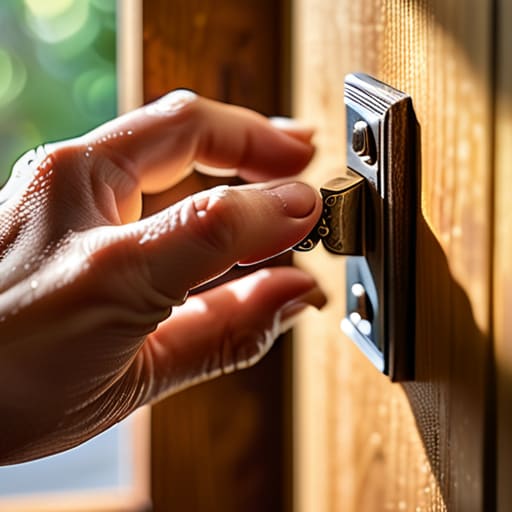
If you’re in the middle of a deep-cleaning session or just don’t want to run to the hardware store, you can actually use stuff you probably already have in your kitchen or bathroom. I’ve definitely had those “emergency” moments where a door was screaming every time I opened it and I didn’t have a can of spray on hand. A little bit of cooking oil or even petroleum jelly (looking at you, Vaseline) works wonders in a pinch. Just dab a tiny amount onto the hinge joints; it’s not a permanent fix, but it’ll silence the noise long enough for you to finish your coffee in peace.
When you do eventually get around to real door hinge maintenance tips, you might find yourself staring at the shelf wondering about the WD-40 vs silicone spray for doors debate. Honestly? If you want something that actually lasts, go for the silicone. While standard WD-40 is great for loosening stuck parts, it can actually attract dust over time, which eventually makes the squeak come back even worse. If you’re looking for a long-term solution, a quick spray of silicone is your best friend for keeping things smooth and silent.
The Pro Move Removing Door Pin for Lubrication Success
If the quick fixes didn’t do the trick, it’s time to stop playing around and go for the deep clean. I’m talking about removing the door pin for lubrication to actually reach the friction points that are causing the noise. Honestly, spraying stuff on the outside of the hinge is fine for a temporary band-aid, but if you want this to be the last time you deal with this annoying sound, you need to get inside the mechanism. Grab a hammer and a nail (or a screwdriver if you’re feeling fancy) and gently tap that pin upward from the bottom until it pops out.
Once the pin is out, don’t just shove it back in. Take a paper towel and wipe off all that old, crusty, grey gunk that’s been living in there—that’s usually the real culprit. This is also the perfect moment for some serious door hinge maintenance tips: check if the pin is bent or rusted. If it looks okay, apply a thin layer of lubricant directly to the pin before sliding it back in. This ensures you’re actually fixing noisy door hinges at the source rather than just masking the symptom.
Pro-Tips to Keep the Silence (And Your Sanity)
- Don’t overdo the lube. If you’re using spray, just a quick spritz is plenty. If you go overboard, you’ll end up with a greasy mess dripping down your door frame that’s way harder to clean than the squeak was to fix.
- Check for more than just the hinges. Sometimes that “squeak” is actually the door rubbing against the frame or a loose screw causing the metal to shift. Give the hinge screws a quick tighten with your multi-tool before you start spraying stuff.
- Clean the gunk first. If your hinges are old or dusty, wipe them down with a damp cloth before applying any oil. Adding fresh lubricant to a layer of built-up grime is just making a weird, gray paste that won’t actually help.
The TL;DR Version
Don’t overcomplicate it—start with a quick household hack like cooking oil or WD-40 before you go full DIY mode and start pulling pins out.
If the squeak persists, go for the deep clean by removing the hinge pin entirely; it’s a five-minute job that actually solves the problem for good.
The Silence is Golden
Whether you went the quick route with some cooking oil or did the heavy lifting by pulling out the hinge pins for a deep lube, you’ve officially won this battle. You don’t need a professional handyman or a massive toolbox to handle these tiny, annoying disruptions; sometimes, it’s just about knowing which household hack to pull from your mental toolkit. Now that the constant screeching has stopped, you can finally enjoy that quiet apartment vibe without feeling like your house is haunted by a very loud, very metallic ghost.
Honestly, these little wins are exactly how you start feeling like you actually have your life together. It’s not about the door—it’s about the fact that you saw a problem and fixed it yourself instead of just letting it add to your mental clutter. Adulting is basically just a series of small, annoying tasks that we tackle one by one until everything runs smoothly. So, take the win, enjoy the silence, and remember that you’re totally capable of handling whatever comes through the door next.
Frequently Asked Questions
What if I don't have any WD-40 or oil on hand right now?
Honestly, I’ve been there—staring at a squeaky hinge at 11 PM with zero supplies. If you’re totally out of the heavy-duty stuff, raid your kitchen or bathroom. A tiny bit of olive oil or even some Vaseline on a Q-tip works wonders in a pinch. If you’re feeling extra resourceful, a bar of soap rubbed directly onto the hinge can act as a temporary lubricant. It’s not permanent, but it’ll save your sanity tonight.
How do I know if the squeak is actually the hinge and not something else in the door frame?
Honestly, it’s a valid question. If you’ve oiled the hinges and it’s still screaming, the culprit might be the door frame or the alignment. Here’s my quick test: open and close the door slowly while watching the gap between the door and the frame. If the gap is uneven or the door is rubbing against the wood, it’s a structural issue, not a squeak. If the sound is rhythmic and metallic, it’s definitely the hinge.