I used to think that being “eco-friendly” meant buying a $40 aesthetic glass composting bin and a subscription to a fancy meal-kit service, but honestly? That’s just expensive performative wellness. I spent way too many months feeling guilty about the slimy bag of spinach at the bottom of my fridge, thinking I was failing at adulting because I didn’t have a perfect system. The truth is, learning how to reduce food waste isn’t about being a zero-waste influencer; it’s about realizing that every wilted carrot is literally money you threw in the trash.
I’m not here to give you a lecture or a list of impossible lifestyle changes that require a PhD in sustainability. Instead, I’m sharing the low-effort, high-impact hacks I actually use in my tiny kitchen to keep my groceries alive longer. We’re talking about realistic, no-nonsense strategies that save you time and sanity without turning your life into a full-time chore.
Meal Planning for Efficiency Without the Mental Load
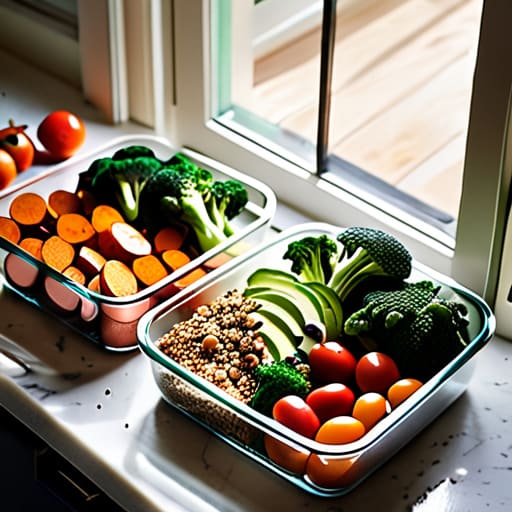
Look, I get it. The idea of sitting down on a Sunday to meticulously map out every single calorie for the week feels like a second job you didn’t apply for. Most “meal prep” advice is way too intense for someone who just wants to survive a Tuesday. Instead of a rigid schedule, I swear by a “modular” approach. This means prepping components rather than full meals—think a big batch of roasted veggies, a grain, and a protein. It’s all about meal planning for efficiency without the burnout; you can mix and match them throughout the week so you aren’t eating the exact same Tupperware nightmare five days in a row.
The real secret to not feeling overwhelmed is building in a “buffer night.” I always leave one night a week completely unplanned for whatever is left in the fridge. This is where you lean into better food storage techniques to keep those stray ingredients fresh. If you see something starting to look a little sad, toss it into a freezer bag for later. It keeps your kitchen from feeling like a scavenger hunt and helps you develop more sustainable grocery shopping habits because you’re actually using what you buy.
Smart Food Storage Techniques to Save Your Produce
If you’re like me, you probably toss a bag of spinach in the crisper drawer with the best of intentions, only to find a bag of green slime a week later. Most of us are just bad at food storage techniques, but it’s usually not your fault—it’s just that produce is finicky. I’ve learned the hard way that moisture is the enemy. Instead of leaving herbs in those flimsy plastic sleeves, try putting them in a glass of water like a bouquet of flowers. For leafy greens, I swear by the paper towel trick: tuck a dry sheet inside the container to soak up excess humidity. It’s a tiny tweak, but it’s a total game-changer for keeping your veggies crisp for much longer.
Also, let’s talk about the “best by” vs. “use by” confusion. I used to panic every time I saw a date approaching, but understanding expiration dates is actually key to reducing your household food footprint. Most of the time, those dates are about peak quality, not safety. If your berries are looking a little sad but aren’t fuzzy, toss them in a quick smoothie rather than the bin. If things are truly past the point of no return, don’t feel guilty—that’s where a simple countertop bin for composting for beginners comes in handy to keep things from just rotting in a landfill.
The "Use It or Lose It" Strategy
- Audit your fridge before you even think about opening a grocery app. I call it the “Fridge Scavenger Hunt”—I look for that half-used jar of pesto or the slightly limp bell pepper and make them the stars of my next meal instead of buying something new.
- Master the art of the “Everything” soup or stir-fry. Whenever I have a random assortment of wilting greens, a lonely carrot, or some leftover rice, I throw it all into one pot. It’s the ultimate way to clear out the crisper drawer without feeling like you’re eating leftovers for the fifth day in a row.
- Freeze everything that looks like it’s about to give up. If your herbs are looking sad, chop them up and toss them into an ice cube tray with some olive oil; if your fruit is getting mushy, throw it in a bag for smoothies. Don’t wait for the rot to happen—intercept it.
The TL;DR for a Less-Wasteful Kitchen
Stop treating your fridge like a graveyard; if you aren’t going to eat it by Tuesday, move it to the front or prep it now so it’s actually visible.
Treat meal planning as a vibe, not a chore—focus on “flexible ingredients” that can become three different meals rather than forcing yourself into rigid, stressful recipes.
Final Thoughts on Not Wasting Your Cash
Look, I know it feels like a lot to track. Between planning your meals so you aren’t staring blankly at a wilted head of lettuce and actually using those storage hacks we talked about, it can feel like just another chore on an already overflowing to-do list. But at the end of the day, it really comes down to two things: being a little more intentional about what you buy and being a bit more strategic about how you treat what you already have. When you stop treating your fridge like a graveyard for forgotten leftovers and start treating it like a curated inventory, everything changes.
You don’t have to be a zero-waste guru or live in a literal compostable bubble to make an impact. This isn’t about achieving some impossible standard of perfection; it’s about making small, manageable shifts that actually stick in your daily routine. Every time you save a bag of spinach from the trash or cook that random assortment of veggies in your pantry, you’re winning. You’re saving money, saving time, and reclaiming your sanity one meal at a time. You’ve got this.
Frequently Asked Questions
I’m already trying to meal prep, but how do I handle those random ingredients that don't fit into a specific recipe?
Honestly, those “random” ingredients are usually the ones that end up as science experiments in the back of my fridge. My trick? Stop trying to force them into a rigid recipe. Instead, treat them as “component cooking.” Throw that half-onion, lonely bell pepper, and random handful of spinach into a big batch of veggie stock, a quick stir-fry, or an omelet. Think of them as building blocks, not ingredients that need a formal invitation to dinner.
Is it actually worth buying those expensive airtight containers, or can I just use what I already have in my kitchen?
Honestly? Save your money. I used to think I needed a matching set of aesthetic, airtight glass containers to “fix” my kitchen, but it’s mostly marketing. Unless you’re storing something super sensitive like coffee beans or crackers, your old Tupperware or even just glass jars from pasta sauce will do the job. The goal is to keep air out and moisture in—not to have a Pinterest-perfect pantry. Use what you’ve got.