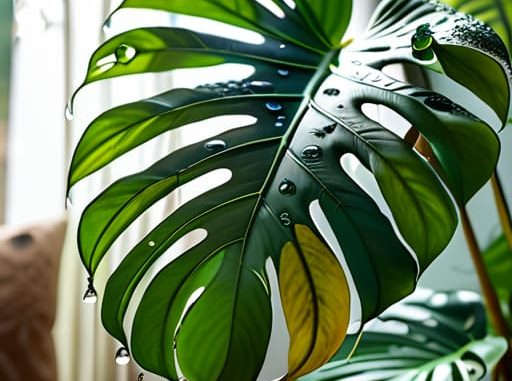
Please, stop buying those $40 “designer” nutrient sprays and expensive, specialized soil blends that promise to turn your apartment into a literal rainforest. Honestly, most of that stuff is just marketing fluff designed to make you feel like you’re failing at how to care for houseplants when you’re really just overcomplicating the basics. I spent my entire early twenties thinking I needed a PhD in botany just to keep a single Pothos from turning into a crispy brown mess, but I eventually realized that most plants aren’t asking for a spa day—they just want a little consistency.
I’m not here to give you a textbook lecture or a list of impossible-to-follow rules that require you to live in a humidity-controlled lab. Instead, I’m sharing the low-effort, high-reward hacks I’ve actually used to keep my own jungle alive while working a chaotic freelance schedule. We’re going to focus on the small, actionable things—like the finger-in-the-soil test—that will save you from a total plant funeral and actually keep your sanity intact.
Mastering Indoor Plant Light Requirements Without the Guesswork
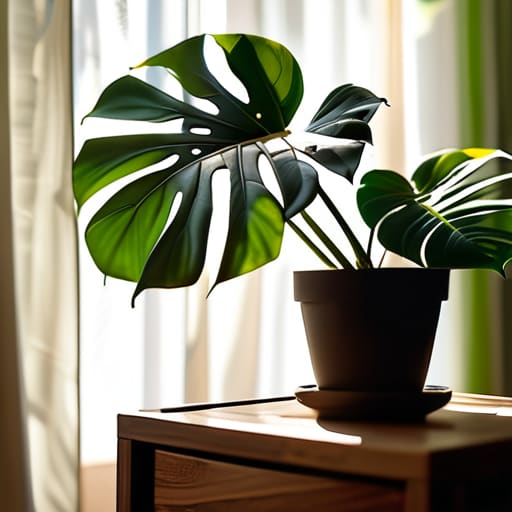
Look, I used to think “bright indirect light” was just some vague, poetic nonsense people threw around to sound smart. In reality, it’s the difference between a thriving Monstera and a sad, leggy stick that’s slowly giving up on life. To stop the guessing game, stop looking at the sky and start looking at your windows. If you can read a book comfortably without a lamp, you’ve got medium light. If the sun is physically hitting the leaves and making them look a little scorched, that’s direct light—which is great for succulents, but a total death sentence for most others.
The easiest way to figure out your indoor plant light requirements is the shadow test. Hold your hand about a foot above the spot where the plant will live. A sharp, defined shadow means intense light; a blurry, faint shadow means it’s more on the low-light side. Once you nail down the light, you’ll notice your plants actually start acting right, which means you won’t be constantly spiraling about why everything is turning yellow.
The Best Soil for Indoor Plants to Prevent Root Chaos
Look, I know the temptation to just grab the cheapest bag of dirt from the grocery store aisle, but please—don’t do it. Using generic garden soil for your indoor buddies is basically a recipe for root rot and a total mess. Since your plants live in pots and not the ground, they need something that actually breathes. The best soil for indoor plants is usually a well-draining mix that incorporates things like perlite or orchid bark. This creates those tiny air pockets that keep the roots from suffocating in a muddy, stagnant swamp.
If you’re dealing with a specific vibe, like a fern or a calathea, you’ll want to tweak that mix to hold a bit more moisture to mimic the humidity for tropical houseplants. But for the majority of my collection, I stick to a high-quality potting mix that doesn’t turn into a brick after three waterings. Think of it as the foundation of your plant’s life; if the “bedding” is trash, everything else—from growth to pest resistance—is going to struggle.
Stop the Drowning Cycle: Three Low-Effort Watering Hacks
- Ditch the schedule and use the finger test. Seriously, don’t water your plants just because it’s “Monday.” Stick your finger an inch into the soil; if it’s still damp, walk away. If it’s bone dry, give them a drink. It’s the only way to avoid that “squishy root” disaster.
- Get yourself some cheap terracotta pots. I started doing this after accidentally turning my monstera into a swamp, and it’s a game changer. Terracotta is porous, meaning it actually breathes and helps pull excess moisture out of the soil so you aren’t constantly fighting a battle against root rot.
- Bottom-water your thirsty plants. Instead of pouring water on top and hoping for the best, set your pot in a tray of water for about 20 minutes. It lets the soil soak up exactly what it needs through the drainage holes, and it stops that weird crusty salt buildup on the top layer of dirt.
The TL;DR for Plant Parents
Stop following a strict calendar for watering; just do the finger test in the soil so you aren’t accidentally drowning your plants or letting them turn into dust.
Match your plant to your actual living situation—don’t buy a sun-loving tropical if your apartment is basically a cave, or you’ll just be fighting a losing battle.
Don't Sweat the Small Stuff
Look, at the end of the day, you don’t need a degree in botany to keep your space looking lush. We’ve covered the heavy hitters: getting the light situation right so you aren’t guessing, and picking a soil that actually lets those roots breathe instead of turning into a soggy mess. If you can nail those two things, you’ve already won half the battle. Just remember that consistency beats perfection every single time. If you miss a watering or a leaf turns yellow, don’t spiral—just adjust, learn, and keep moving.
Honestly, the whole “green thumb” thing is mostly just a myth we tell ourselves to feel better about killing a succulent. Plant care is really just a series of small, manageable habits that eventually become second nature. Treat your plants like roommates rather than high-maintenance projects, and they’ll reward you with a much calmer, much more aesthetic home. You’ve totally got this, so go ahead and embrace the chaos of growing something new.
Frequently Asked Questions
How do I tell if I'm actually overwatering my plants versus just being a little too enthusiastic with the watering can?
Look, we’ve all been there—you see a leaf drooping and think, “She looks thirsty,” only to realize you’ve accidentally turned your living room into a swamp. The easiest way to tell? Stop looking at the leaves and start looking at the soil. If the top inch is bone dry, go for it. But if it’s soggy or smells a bit funky/sour, back off. Overwatering is basically just drowning your plant in slow motion.
What are some low-maintenance plants that won't immediately die if I forget about them for a week while I'm busy?
If you’re prone to the “oops, I forgot they exist” lifestyle, go for the heavy hitters: Snake Plants and ZZ Plants. They are basically the tanks of the plant world; you could probably ignore them for a few weeks and they’d just vibe. Pothos are also great if you want something that actually grows fast, but they’ll definitely let you know (via dramatic drooping) when they’re thirsty. Just grab these and stop stressing.