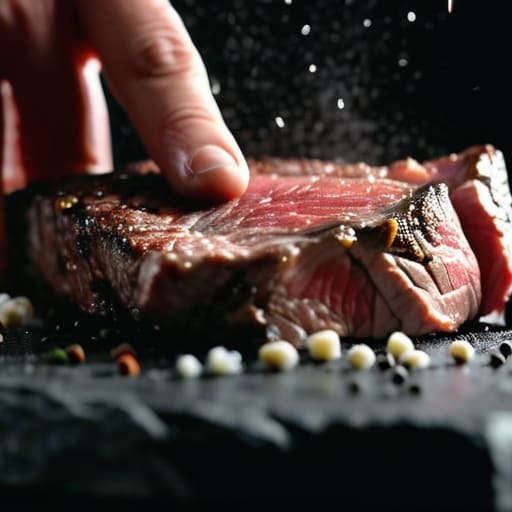
I used to think that learning how to season food meant buying a $50 artisanal spice blend or following some pretentious recipe that required three different types of smoked paprika. Honestly? That’s just a way to drain your bank account while leaving your dinner tasting like nothing. I spent way too many years in my tiny apartment staring at a bland, sad piece of chicken, convinced I lacked some secret culinary magic, when really I was just overcomplicating the basics.
Look, I’m not here to turn you into a Michelin-star chef or tell you to go buy a spice rack that costs more than your rent. I’m just going to show you the actual, low-effort ways to make things taste good without the drama. We’re talking about the tiny, high-impact tweaks that actually work in a real kitchen, so you can stop eating mediocre meals and finally feel like you have your life together.
Mastering Essential Spice Pantry Staples Without the Kitchen Chaos
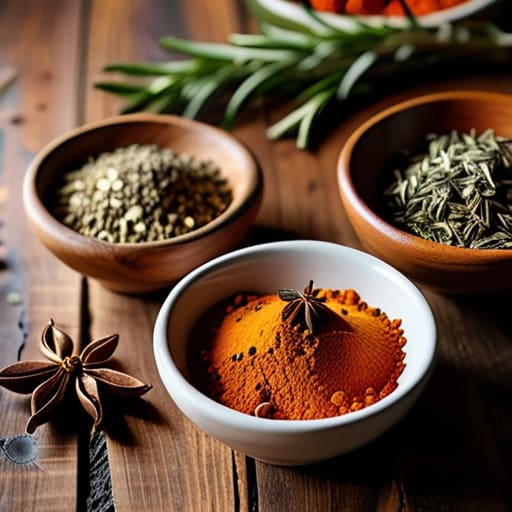
Look, you don’t need a massive, floor-to-ceiling spice rack that looks like a prop from a cooking show. Honestly, that just leads to buying things you’ll use once and then let gather dust. Instead, focus on building a collection of essential spice pantry staples that actually work hard for you. I’m talking about the heavy hitters: smoked paprika, garlic powder, cumin, and dried oregano. If you have these, you can pivot from a taco night to a roasted veggie tray in about ten seconds.
The real secret to not feeling overwhelmed is understanding how to layer them. I used to think more was better, but I was actually just making everything taste like a salt bomb. The goal is enhancing natural flavors, not masking them. A good rule of thumb I live by is balancing salt and acid—if a dish tastes “flat” even after you’ve added salt, it usually needs a squeeze of lemon or a splash of vinegar to wake it up. It’s a total game-changer for your sanity (and your tastebuds).
The Magic of Balancing Salt and Acid for Instant Flavor
If you’ve ever taken a bite of something that tasted “flat” even though you definitely added spices, you aren’t failing at cooking—you’re probably just missing the acid. Think of balancing salt and acid like the volume knob on a radio; salt brings out the intensity of the ingredients, but acid (think lemon juice, vinegar, or even a splash of pickle brine) is what actually wakes up the flavors. Without that little hit of brightness, even the most expensive ingredients can end up tasting heavy or one-note.
The trick is to taste as you go. If a soup or a sauce feels like it’s missing a soul, don’t just dump in more salt—that usually just makes it salty-bland. Instead, add a squeeze of lime or a teaspoon of apple cider vinegar. You’re essentially enhancing natural flavors by cutting through the richness and making everything pop. It’s the ultimate low-effort, high-reward hack for when you’re tired but still want your dinner to taste like you actually tried.
Three Low-Effort Ways to Level Up Your Flavor Game
- Season in layers, not just at the end. If you wait until the food is already on the plate to add salt or spices, you’re just coating the surface. Sprinkle a little salt while the onions are sautéing, add your dried herbs halfway through, and then hit it with a final touch right before serving. It builds a foundation of flavor rather than just a salty crust.
- Learn the “Taste as You Go” rule. This sounds obvious, but I promise you’ll feel silly once you realize how many times I’ve finished a whole pot of pasta only to realize it tasted like nothing. Keep a small spoon nearby. Taste your sauce at the beginning, middle, and end. It’s the only way to know if you actually need more heat or if it’s just missing a pinch of salt.
- Don’t fear the “Umami Bomb.” If a dish feels like it’s missing that “something” but you’ve already added salt and acid, you probably need depth. Keep a bottle of soy sauce, some parmesan cheese, or even a tiny bit of tomato paste in the fridge. A teaspoon of any of these can turn a sad, flat soup into something that actually feels like a real meal.
The TL;DR on Not Ruining Your Dinner
Stop buying every single spice in the aisle; stick to a solid base of salt, pepper, garlic powder, and one “wildcard” spice to keep your pantry functional and your budget intact.
If your food tastes “flat” but you’ve already added salt, don’t keep dumping more in—reach for a squeeze of lemon or a splash of vinegar to wake the flavors up instead.
Stop Overthinking Your Dinner
Look, at the end of the day, you don’t need a massive, expensive spice rack to make something edible. It really just boils down to having a few solid staples on hand, understanding that salt is your best friend, and knowing when a splash of lemon or vinegar can rescue a dish that feels a little flat. You don’t need to master every exotic herb in the aisle; you just need to trust your palate and embrace the basics so you can actually enjoy your meal instead of stressing over it.
Cooking shouldn’t feel like a high-stakes exam you didn’t study for. If you over-salt something, fix it with acid; if it tastes boring, add more seasoning. It is all about trial and error in the middle of a chaotic Tuesday night. My biggest piece of advice? Stop aiming for perfection and just aim for delicious. Once you realize that seasoning is a skill you can build one meal at a time, adulting in the kitchen becomes a whole lot less intimidating.
Frequently Asked Questions
Is there a way to fix my food if I accidentally go way too heavy on the salt?
Don’t panic—we’ve all been there, staring at a pot of salt soup like it’s a personal failure. If it’s a liquid base, toss in a peeled, halved potato; it acts like a little sponge for excess salt. If it’s a solid dish, try adding a splash of acid (think lemon or vinegar) or a dollop of unsweetened yogurt to balance it out. Basically, dilute it or distract your taste buds. You’ve got this.
Do I really need to season my meat before it hits the pan, or can I just do it at the end?
Look, I get it—you’re tired and just want to eat. But if you wait until the end, you’re basically just sprinkling dust on top of a finished product. Seasoning before it hits the pan is non-negotiable. It allows the salt to penetrate the meat, seasoning it from the inside out rather than just sitting on the surface. Season early, get that crust, and save yourself the mediocre, bland dinner.