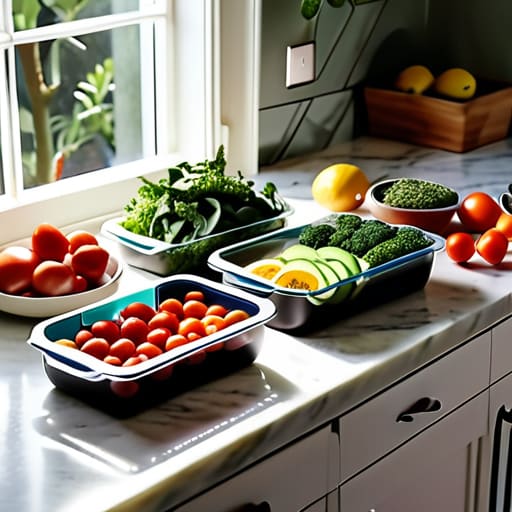
Let’s be real: most of us start the week with every intention of being a functional, wellness-focused human, only to end up staring blankly into a fridge of wilted spinach by Wednesday night. We’ve all been there—ordering takeout for the third time in a row because the thought of cooking feels like a full-time job we didn’t sign up for. I used to think that finding actual healthy meal prep ideas meant spending my entire Sunday in a flour-covered kitchen like some kind of Pinterest goddess, but that’s just not sustainable for anyone with a life.
I’m not here to give you those intimidating, five-hour recipes that leave you too exhausted to actually enjoy your food. Instead, I’ve narrowed it down to three realistic, low-effort strategies that actually work for people who are constantly playing catch-up. We’re going to talk about how to prep smarter, not harder, so you can finally stop treating your nutrition like a constant state of crisis management.
The "Component" Method (Not a Sad Salad)
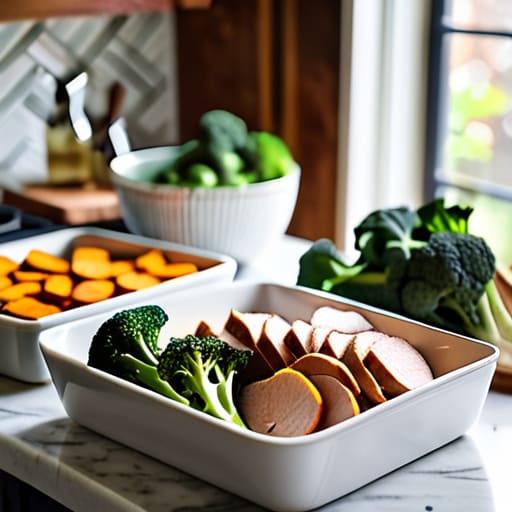
Look, I used to think meal prep meant spending my entire Sunday assembly-lining identical plastic containers filled with mushy broccoli and dry chicken. That was my fastest route to ordering takeout by Wednesday. Instead, I switched to the component method, where I just prep individual building blocks. I’ll roast a big tray of sweet potatoes, boil a pot of quinoa, and cook up some seasoned protein, but I keep them in separate containers.
Sheet Pan Magic for Low-Effort Wins
If the thought of standing over a stove for an hour makes you want to nap, sheet pan meals are your new best friend. My absolute favorite hack is prepping two or three different sheet pan combinations at once. You just toss your veggies and protein in olive oil and spices, slide them into the oven, and walk away. I usually prep something like salmon and asparagus or sausage and bell peppers, which takes about ten minutes of actual manual labor.
Sauce is Your Secret Weapon
Most people fail at healthy eating because their food is boring, and boring food is hard to stick to. I’ve learned that you can take the most basic, uninspired meal—like plain lentils or roasted cauliflower—and make it incredible just by having a few homemade sauces on hand. I usually spend fifteen minutes whisking up a lemon-tahini dressing or a spicy peanut sauce at the start of the week.
The TL;DR of Not Starving on a Tuesday
Don’t try to be a Pinterest chef on a Sunday; just prep versatile components like a big batch of grains or roasted veggies so you can assemble a real meal in five minutes when you’re exhausted.
Perfection is the enemy of progress—if all you manage to prep is a container of washed spinach and some boiled eggs, you’re still winning against the takeout temptation.
The Bottom Line
Look, you don’t need a Pinterest-perfect kitchen or five hours of free time to make this work. Whether you’re just starting with simple grain bowls, batch-cooking a massive pot of protein, or just chopping veggies ahead of time, the goal is the same: reducing friction. By focusing on these three small shifts, you’re essentially building a safety net for your future, hungrier self. It’s not about being a culinary master; it’s about making the decision once so you aren’t staring blankly into your fridge at 7:00 PM on a Wednesday.
At the end of the day, please don’t let “perfect” be the enemy of “done.” If you only manage to prep one single sauce or boil a few eggs this week, that is still a massive win. Adulting is hard enough without making your nutrition feel like a second full-time job. Start small, be kind to yourself when things get messy, and just focus on winning the week one meal at a time. You’ve totally got this.
Frequently Asked Questions
How do I keep my prepped veggies from turning into a sad, soggy mess by Wednesday?
The “sad, soggy mess” is my personal villain arc. Here’s the fix: moisture is the enemy. First, stop washing your veggies right before you chop them—if you do, you have to dry them completely with a paper towel. Second, use glass containers instead of plastic; they keep things crisper. Most importantly, throw a dry paper towel inside the container with your greens or chopped peppers. It acts like a little sponge to soak up that excess humidity.
I don't have a ton of kitchen space—can I actually do this without my fridge looking like a Tetris nightmare?
Honestly, I feel this in my soul. I grew up in a tiny apartment where my fridge was basically a game of high-stakes Tetris, too. The secret is to ditch the massive, bulky Tupperware sets. Invest in a few high-quality, stackable glass containers that actually nest together. Also, prep components—like a big batch of grains or roasted veggies—in smaller bowls instead of full meals. It saves so much shelf real estate.