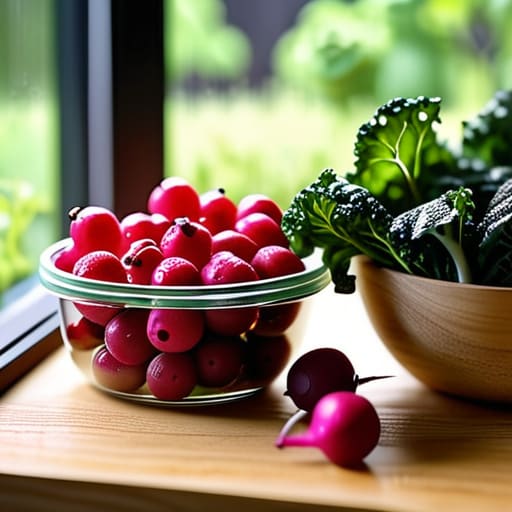
I used to think that “adulting” meant buying those expensive, color-coded airtight containers that look aesthetic in TikTok transitions, only to realize I was still throwing away a bag of slimy spinach every single Tuesday. Honestly, the obsession with fancy gadgetry is such a scam; you don’t need a $50 vacuum sealer to figure out how to store food properly. Most of the time, we’re just overcomplicating things when the real solution is usually something as simple as a paper towel or a glass jar you already have in your cupboard.
I’m not here to sell you on a lifestyle overhaul or a kitchen reorganization that takes six hours. Instead, I’m giving you the actual, low-effort hacks I’ve learned from years of stretching a tight budget and fighting the constant battle against food waste. We’re going to walk through the practical, no-nonsense ways to keep your groceries fresh so you can stop throwing money in the trash and actually start feeling like you have your life together.
Airtight Container Benefits Your Secret Weapon Against Spoilage
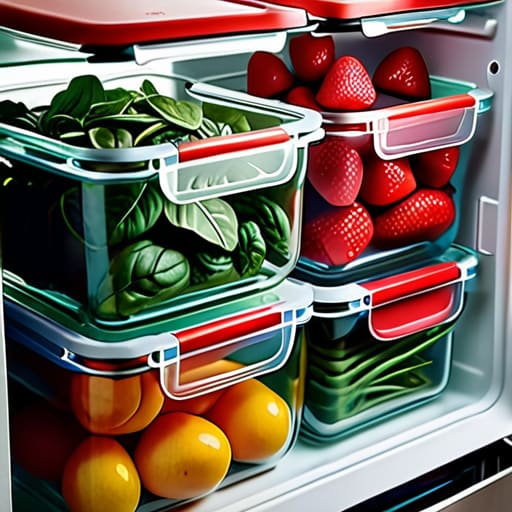
If you’re still relying on those flimsy, mismatched plastic tubs you’ve had since college, we need to talk. The biggest game-changer for preventing food spoilage isn’t some expensive high-tech gadget; it’s simply investing in a decent set of airtight containers. When you seal out oxygen, you’re essentially hitting the pause button on the decay process. I used to feel so guilty every time I tossed a bag of wilted spinach, but switching to glass containers with snap-locks changed everything for my weekly grocery budget.
Beyond just keeping things fresh, these containers are the unsung heroes of refrigerator organization tips. There is nothing more soul-crushing than digging through a cluttered fridge only to find a mystery container of leftovers from three weeks ago. Using uniform, stackable airtight vessels allows you to see exactly what you have at a glance. It turns your fridge from a chaotic junk drawer into a functional system, making it way easier to actually use what you buy instead of letting it die in the back corner.
Mastering Proper Fruit and Vegetable Storage Without the Stress
Here’s the deal: most of us treat the crisper drawer like a black hole where spinach goes to die. If you want to actually master proper fruit and vegetable storage, you have to stop treating everything like it belongs in the same pile. Berries are high-maintenance divas; they need to stay dry, so don’t wash them until the second you’re ready to eat them. For leafy greens, I swear by the paper towel trick—toss one in the container to soak up excess moisture. It’s a tiny move that makes a massive difference in preventing food spoilage before your next grocery run.
Then there’s the ethylene gas issue. Some fruits, like apples and avocados, are basically little gas factories that tell everything around them to ripen (and then rot) immediately. If you keep them right next to your cucumbers, expect mushy veggies by Tuesday. I’ve learned to keep my “gas producers” separate from the sensitive stuff to keep my produce crisp. It’s not about being a perfectionist; it’s just about working smarter so you aren’t throwing money in the trash every Sunday.
The Low-Effort Cheat Sheet for a Fridge That Doesn't Smell
- Stop treating your freezer like a black hole. Grab some cheap, clear silicone bags or even just repurposed Ziplocs, label them with a sharpie and a date, and freeze your leftovers in flat layers. It saves so much space and actually makes them defrost in twenty minutes instead of overnight.
- Don’t let your bread turn into a brick or a science project. If you aren’t going to finish that loaf in a few days, slice it up and throw it straight in the freezer. You can pop a single slice right into the toaster whenever you’re actually hungry, and it tastes way better than that crusty stuff sitting on your counter.
- Keep your herbs alive longer by treating them like a bouquet. Instead of tossing them in the crisper drawer to wilt, snip the ends and stick them in a small jar of water in the fridge door. It’s a tiny bit more effort, but it stops you from throwing away a $4 bunch of cilantro every single week.
The TL;DR for a Less Wasteful Kitchen
Stop treating your fridge like a junk drawer; group your stuff by “vibe” (greens together, dairy together) so you actually see what you have before it turns into a science experiment.
Invest in a few decent glass jars and airtight containers now—it’s a one-time cost that pays for itself the second you stop throwing away wilted spinach and sad, moldy berries.
The Bottom Line on Food Waste
At the end of the day, keeping your groceries fresh isn’t about having a Pinterest-perfect pantry or a massive collection of matching glass jars. It’s really just about understanding the basics: using airtight containers to stop oxidation, separating your ethylene-producers from the sensitive stuff, and actually paying attention to how your produce behaves. When you stop treating your fridge like a black hole and start treating it like a functional system, you’ll notice your grocery budget suddenly goes a lot further.
Look, I know “organizing your fridge” sounds like one of those tedious adult chores that nobody actually wants to do on a Tuesday night. But honestly? Every time I find a crisp head of lettuce instead of a bag of green slime, I feel like I’ve actually won at life. You don’t have to overhaul your entire kitchen overnight to see the difference. Just pick one thing—maybe it’s the jar method or just better container habits—and start there. You’ve got this.
Frequently Asked Questions
Is it actually worth the money to invest in those expensive vacuum-seal containers, or can I just stick to basic glass jars?
Honestly? Save your money. I used to think those high-end vacuum sealers were the ultimate life hack, but they’re mostly just aesthetic. Unless you’re running a small-scale catering business, basic glass jars do the heavy lifting for a fraction of the cost. They’re versatile, easy to clean, and won’t break if you drop them once. Stick to a solid set of glass containers and spend that extra cash on actual groceries instead.
My kitchen is tiny and I don't have much pantry space—how do I organize everything without it looking like a chaotic grocery store aisle?
I feel this in my soul. When you’re working with a tiny footprint, visual clutter is the enemy. My biggest hack? Decant your dry goods—pasta, flour, snacks—into uniform glass jars. It’s not just for the aesthetic; it lets you see exactly what’s low so you stop overbuying. Use tiered organizers or even small lazy Susans for spices to reclaim that dead corner space. Keep it vertical, keep it uniform, and breathe.