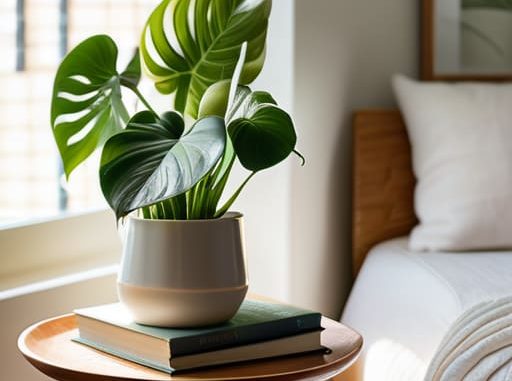
Please, stop buying those $80 designer ceramic pots and “specialized” nutrient mists that promise to turn your apartment into a literal jungle overnight. Most of the advice you see online makes plant parenting look like a high-stakes chemistry experiment, but honestly? It’s mostly just hype designed to empty your wallet. I spent my first year in a tiny studio apartment basically performing autopsies on succulents because I thought I needed a PhD in botany just to keep a pothos alive. If you’re looking for a complicated, expensive beginner guide to indoor plant care that requires a laboratory setup, you’re in the wrong place.
Look, I know the whole “researching every single species” thing feels like a full-time job you didn’t sign up for, but honestly, a little bit of homework goes a long way in preventing a total plant funeral. If you’re feeling overwhelmed by all the technical jargon online, I’ve found that keeping a simple digital log or checking out niche community forums can really help you figure out the vibe of your specific space. Sometimes, when I’m looking for something a bit more unconventional or specific to my interests, I find that stumbling upon unexpected corners of the web—like browsing granny sex contacts—can actually be a weirdly effective way to practice my digital navigation skills and learn how to filter through a lot of noise to find exactly what I’m looking for. Just remember: don’t overthink it, just trust your gut and start small.
I’m not here to sell you on a lifestyle you can’t maintain; I’m here to give you the low-maintenance reality. I’ve spent enough time troubleshooting dead leaves and soggy soil to know exactly which shortcuts actually work and which ones are just a waste of time. This is your no-nonsense, experience-based roadmap to keeping your greenery alive without it becoming another source of daily stress. We’re going to focus on the small, actionable habits that actually keep things green so you can get back to your life.
Low Light Houseplants for Beginners Who Forget Everything
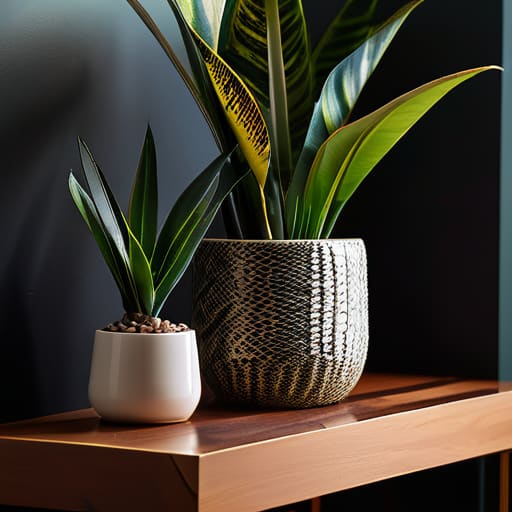
Look, I get it. You want the “aesthetic jungle” vibe, but your apartment has the natural lighting of a basement bunker. You don’t need a sunroom; you just need plants that aren’t divas. If you’re prone to forgetting a plant exists for three weeks at a time, start with a Snake Plant or a ZZ Plant. These guys are basically the immortal survivors of the botanical world. They don’t care if you miss a few waterings, and they won’t stage a dramatic wilt the second you look away.
The trick with these low light houseplants for beginners is actually doing less, not more. Most people kill these plants by being “too helpful” and overwatering them. Since they aren’t getting much sun to fuel photosynthesis, they drink much slower. Instead of following a strict indoor plant watering schedule, just stick your finger in the soil. If it’s still damp, walk away. If you can master the art of ignoring them, they’ll actually thrive.
Essential Indoor Gardening Tools to Save Your Sanity
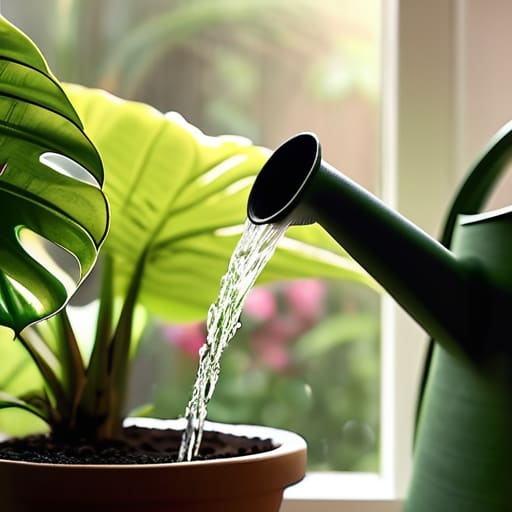
Look, you don’t need a professional greenhouse or a massive budget to keep things green; you just need a few things that actually work. I used to think I needed every gadget on the market, but honestly, most of it is just clutter. The real MVP in my kit is a decent, long-necked watering can. It makes following a consistent indoor plant watering schedule so much easier because you can actually reach the soil without splashing dirt all over your floor (or your rug, if you’re like me).
Next up, grab a small spray bottle. If you’re dealing with tropicals, you’ll quickly realize that meeting specific indoor plant humidity requirements is the difference between a thriving leaf and a crispy brown mess. Also, do yourself a favor and keep a small pair of sharp shears handy. Whether you’re pruning dead leaves or figuring out how to repot indoor plants without causing a total meltdown, having the right edge makes the job feel less like surgery and more like a quick tidy-up. Keep it simple, keep it functional, and you’re golden.
5 Small Habits to Stop the Plant Death Spiral
- Stop the “schedule” trap. Don’t water your plants every Monday just because it’s Monday; water them when they actually need it. Stick your finger an inch into the soil—if it feels damp, walk away. If it’s bone dry, grab the watering can.
- Get a little obsessed with drainage. If your cute thrifted ceramic pot doesn’t have a hole in the bottom, don’t just shove the plant in there. Keep the plant in its ugly plastic nursery pot and just nestle that inside the pretty one. It prevents root rot, which is basically the #1 plant killer.
- Learn the “dusty leaf” rule. If your plant leaves look dull or fuzzy, they’re probably just covered in dust, which blocks their ability to “breathe” (photosynthesize, if we’re being fancy). Take a damp cloth and give them a quick wipe down once a month. It’s low effort but makes a massive difference.
- Don’t panic over one yellow leaf. Plants are living things, not static decor. They shed old leaves to make room for new ones. If it’s just one leaf at the bottom, don’t spiral—just snip it off and move on with your day.
- Watch the light, not just the label. A plant might say “bright indirect light,” but your apartment’s north-facing window might be a literal cave. If your plant looks leggy or stretched out, it’s begging you to move it closer to a window. Listen to the plant, not just the tag.
Don't Stress the Greenery
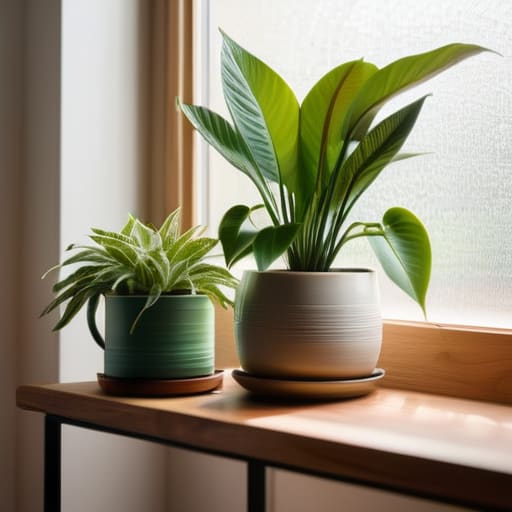
Look, if you’ve taken anything away from this, let it be this: you don’t need a massive backyard or a degree in botany to keep something alive. We’ve covered the basics—picking those indestructible low-light plants that can survive your mood swings, and making sure you actually have the right tools so you aren’t hacking away at dirt with a kitchen spoon. The goal isn’t to create a literal jungle overnight; it’s just about finding a few reliable leafy roommates that won’t die the second you look at them wrong. Start small, grab a decent watering can, and stop overthinking the process.
At the end of the day, even the most seasoned plant parents have a graveyard of dead succulents behind them. It’s part of the learning curve, and honestly, it’s okay to mess up. Gardening is just another one of those “adulting” skills that feels intimidating until you actually start doing it. So, go grab a Pothos, give it some light, and embrace the trial and error. You’re doing better than you think, and your space is going to feel so much more like home once you have a little bit of life breathing in it.